

Discover the relationship between mining operations and marine acoustics pollution, and how regulations and technologies can protect fragile ocean habitats.
The Intersection of DSM and Underwater Acoustics
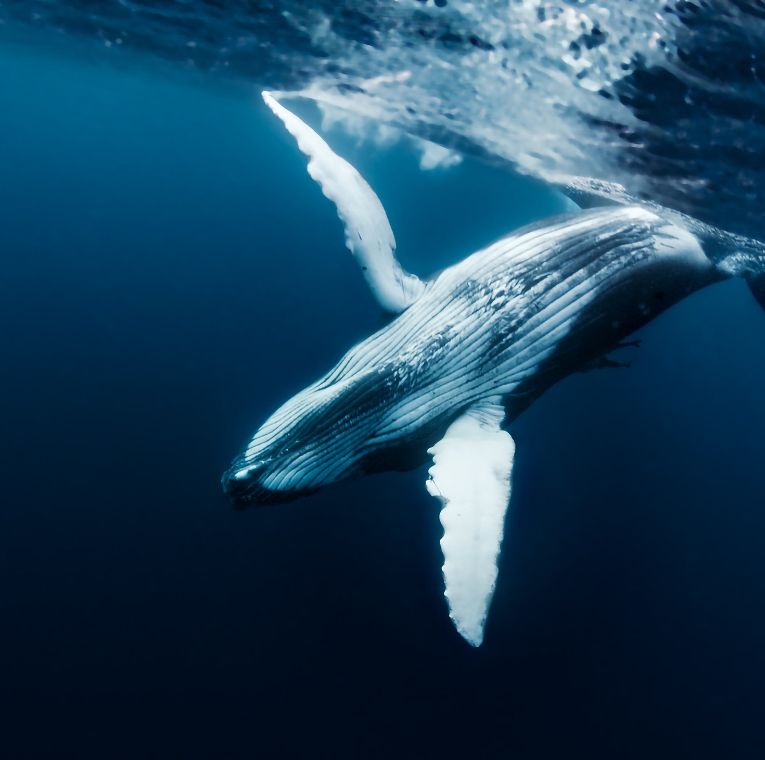
Marine ecosystems have evolved in a world where sound is vital for communication, navigation, hunting, and mating. Industrial underwater noise—from ships, sonars, and mining machinery—interferes with these processes. DSM introduces new sources of anthropogenic sound, adding layers of stress to marine life.
The most vulnerable species include:
- Cetaceans (Whales, Dolphins, Porpoises)
- Fish that use sound for spawning and navigation
- Sea Turtles with sensitivity to low-frequency vibrations
- Invertebrates such as crustaceans
- Coral Reefs affected by vibrations and sediment disruption
The Mechanics of DSM: Noise Sources and Operations
Survey ships using sonar to locate mineral-rich zones
- Autonomous underwater vehicles (AUVs) for mapping and inspection
- Riser systems transporting materials from seabed to surface
- Seabed excavation machinery that physically disrupts the terrain
Advancements in Marine Acoustics
To understand and mitigate noise impacts, marine acousticians deploy several advanced tools:
Passive Acoustic Monitoring (PAM)
Hydrophone Arrays
AI-Driven Analysis
Quieter Propulsion Systems
Impacts of Underwater Acoustics

Ecological Consequences of Acoustic Pollution
- Change migration routes
- Abandon feeding grounds
- Lose contact with offspring
Vulnerability of Marine Ecosystems to Noise Disruption
Case Studies and Recent Research on Undersea Mining and Acoustics
- Mining simulations emit 120+ dB in 10–500 kHz frequency bands
- Sound can travel over several kilometers, overlapping with marine species’ communication ranges
- Short exposure periods can still cause behavioral disruptions
- Hydrophones detect widespread acoustic pressure changes
These findings highlight the urgent need for real-time monitoring and regulatory action
Governance and Responsibility in Regulating Ocean Acoustics
PAM is evolving rapidly, with innovations that make it smarter, faster, and more efficient:
The International Seabed Authority (ISA)
ISA, established under UNCLOS, governs mining activities in international waters. It sets limits on sonar use, noise thresholds, and environmental monitoring requirements.
United Nations Convention on the Law of the Sea (UNCLOS)
UNCLOS defines legal responsibilities for marine protection and sustainable exploitation of ocean resources.
Sinay's Acoustics Solutions for Sustainable Operations
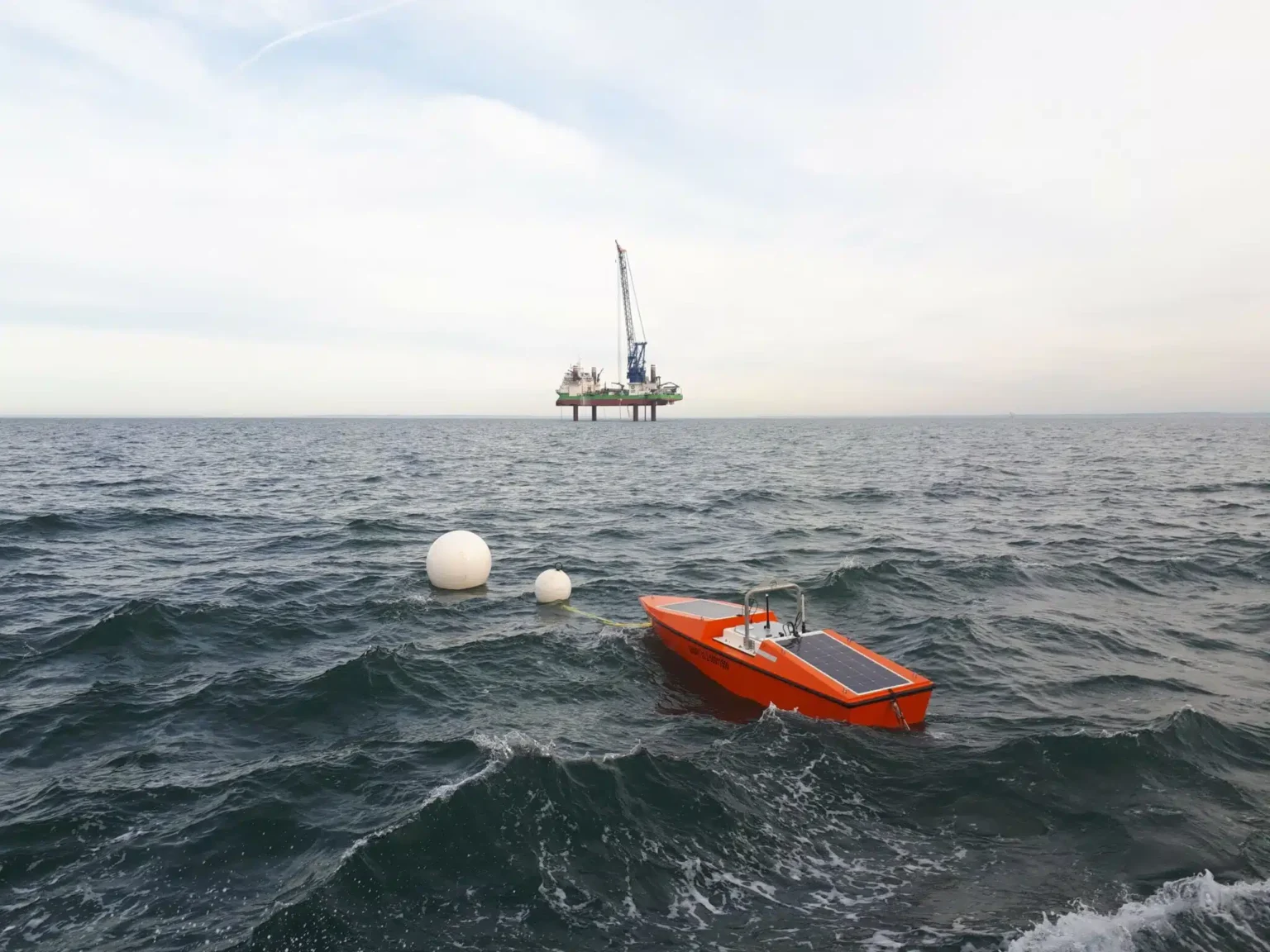
Real-time PAM buoys
Our passive acoustic monitoring buoys provide continuous, real-time data on underwater sound levels and marine mammal activity.
Continuous monitoring of marine mammals and industrial noise
24/7 surveillance systems that track both marine life activity and anthropogenic noise sources in real-time.
Instant alerts for regulatory compliance
Automated notification systems that alert operators when noise levels approach or exceed regulatory thresholds.
Frequency-based detection systems
Advanced sensors capable of distinguishing between different frequency ranges to identify specific noise sources and biological signals.
These systems support sustainable ocean exploration, conservation, and regulatory reporting.
Public Engagement and Responsibility in Ocean Acoustics
- Mandate acoustic monitoring in every mining project
- Protect fragile ecosystems from irreversible harm
- Guide future innovation toward sustainability
For a Sustainable Ocean Future!