
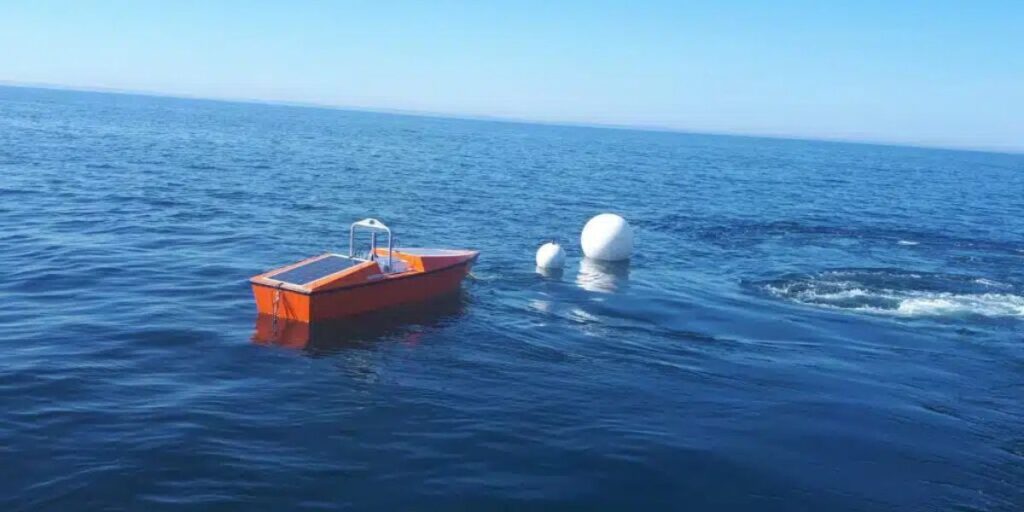
In the ocean, light fades after just a thousand meters, but sound can travel for thousands of kilometers. Discover how Passive Acoustic Monitoring helps protect marine biodiversity.
In the ocean, light fades after just a thousand meters, but sound can travel for thousands of kilometers. Sound is the dominant medium for communication and navigation beneath the waves. Passive Acoustic Monitoring (PAM) has emerged as a vital, non-invasive tool that enables researchers to listen to and analyze underwater sounds to monitor ecosystems without disturbing marine life.
As PAM networks scale globally, they create new opportunities to observe biodiversity, detect environmental change, and advance marine conservation.
Passive Acoustic Monitoring and Its Role in Ocean Research
PAM plays a pivotal role in understanding the marine environment. Since Frank Watlington’s Cold War recordings of deep-sea whale songs, PAM has become central to ocean science.
What is Passive Acoustic Monitoring?
– Echolocation and vocalizations by cetaceans (whales, dolphins, porpoises)
– Communication signals from pinnipeds (seals, sea lions)
– Acoustic emissions from fish, shrimp, manatees, and other species
The recorded sounds are then identified and classified using digital object identifiers (DOI) and advanced acoustic analysis techniques. PAM systems operate in extreme environments, including under polar ice and at deep-sea depths.
Importance of Sound in Understanding Marine Ecosystems
- Navigate
- Hunt
- Avoird predators
- Locate mates
The Role of PAM in Marine Conservation
PAM is used across global biodiversity hotspots and in heavily trafficked marine zones.
Monitoring Ambient Ocean Noise Levels
Natural ocean noise (waves, rain, marine life) helps define acoustic baselines. PAM allows scientists to detect unnatural shifts linked to climate change or ecosystem stress.
Detecting and Analyzing Human-Generated Noise
Human activities—shipping, offshore drilling, and construction—produce noise pollution. PAM systems help measure and respond to this impact.
Contributing Real Data to Marine Conservation Research
By monitoring species behavior and environmental conditions, PAM provides critical, real-time data to support marine protection without disrupting wildlife.
The Building Blocks of a Global Listening System
With fewer than 350 North Atlantic right whales remaining, PAM is central to understanding threats and guiding recovery.
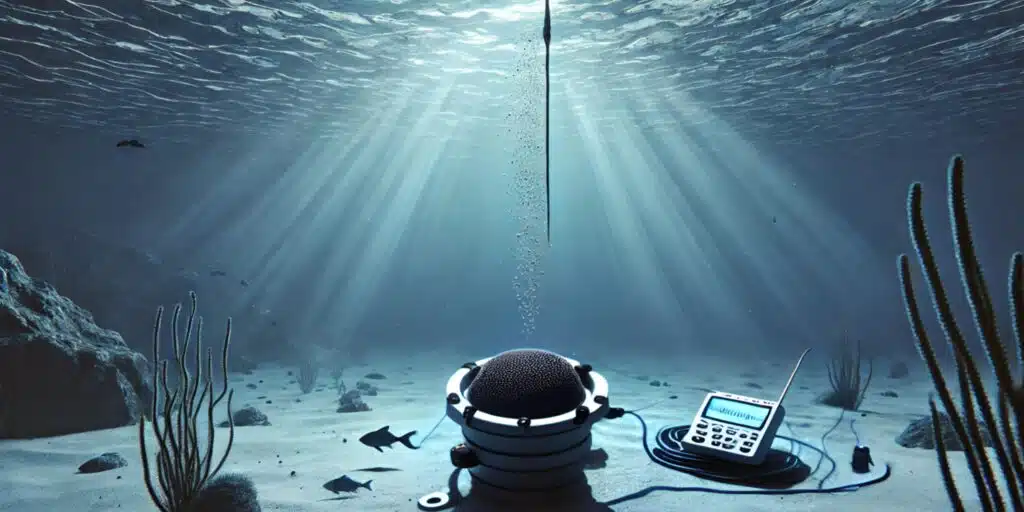
Hydrophones
Data Storage Systems
Real-Time Transmission Technology
Artificial Intelligence and Machine Learning for Sound Analysis
The Future of Ocean Acoustics and Marine Protection
Challenges in Scaling PAM Globally
Data Standardization
Funding
Jurisdictional Issues
Technical Barriers
Ocean Noise Pollution
Future Directions for Global Ocean Listening Systems
New technologies—AI-enhanced analytics, global hydrophone arrays, and satellite-linked data systems—are pushing PAM forward. These systems allow real-time, remote monitoring of marine life and human noise impacts. According to NOAA and other institutions, accessible via DOI-linked studies, these innovations will support a robust, global environmental monitoring infrastructure.
Case Studies of Successful PAM Projects
LIDO (Listening to the Deep Ocean Environment)
JOMOPANS
U.S. Ocean Observatories Initiative (OOI)
Sinay's Solutions: Advanced PAM for Marine Conservation
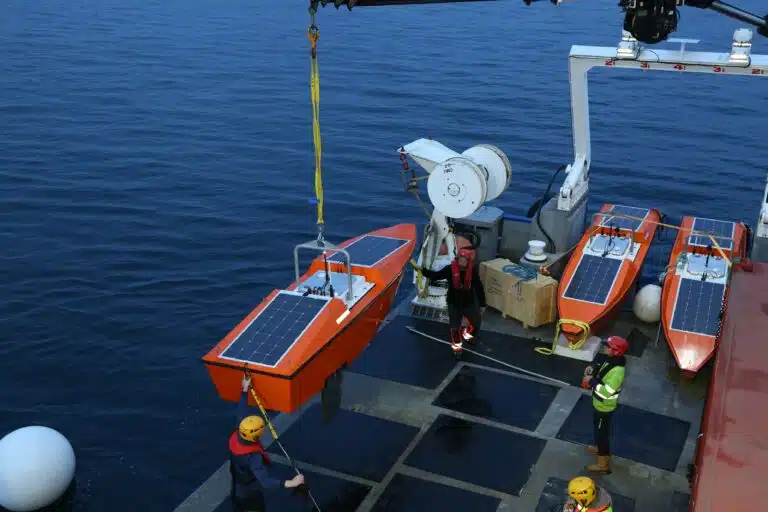
Real-time buoys with broadband hydrophones
Cloud-based dashboards and alerts
Automated detection of marine mammals
Noise modeling and mapping
FAQ
Ship noise can travel remarkable distances underwater—up to 100 miles or more in ideal conditions. Sound travels nearly four times faster in water than in air, and low-frequency sounds from large vessels can propagate across entire ocean basins under certain conditions.
When properly implemented, noise reduction technologies often improve vessel performance. Optimized propeller designs and hull forms that reduce noise typically also reduce fuel consumption by improving hydrodynamic efficiency. The initial investment in noise reduction technology can result in operational cost savings over time.
Currently, most underwater noise regulations are voluntary guidelines rather than mandatory requirements. However, this is changing rapidly. The EU’s Marine Strategy Framework Directive requires member states to address underwater noise, and several countries are developing mandatory standards. The IMO continues to work on international guidelines that may become mandatory in the future.
Implementation costs vary widely depending on vessel type, size, and the specific technologies adopted. For new builds, incorporating noise reduction from the design phase typically adds 3-8% to construction costs. Retrofitting existing vessels is more expensive, with costs ranging from $500,000 for basic modifications to several million dollars for comprehensive solutions on large vessels.
Marine mammals, particularly whales and dolphins, are most severely affected due to their reliance on sound for communication, navigation, and finding food. However, research shows that fish, invertebrates, and even zooplankton are impacted by anthropogenic noise. Species that communicate in the same frequency ranges as vessel noise (typically 5-400 Hz) experience the greatest disruption.
Underwater noise is measured using hydrophones—specialized underwater microphones that detect acoustic pressure. Modern monitoring systems use arrays of hydrophones connected to data processing systems that analyze sound levels, frequencies, and sources. Advanced systems like Sinay’s PAM platform use AI to identify specific noise sources and marine species in real-time.