EU Landing Obligation: How REM Is Closing the Compliance Gap
The EU landing obligation forces fleets to land all regulated catches. Remote Electronic Monitoring (REM) is now the most reliable way to prove compliance at scale.
Welcome to a resource that combines diverse topics such as digitalization, environmental monitoring, the fishing industry, new technologies, sustainable development, maritime transportation, and more. The common thread? The maritime industry.

The EU landing obligation forces fleets to land all regulated catches. Remote Electronic Monitoring (REM) is now the most reliable way to prove compliance at scale.

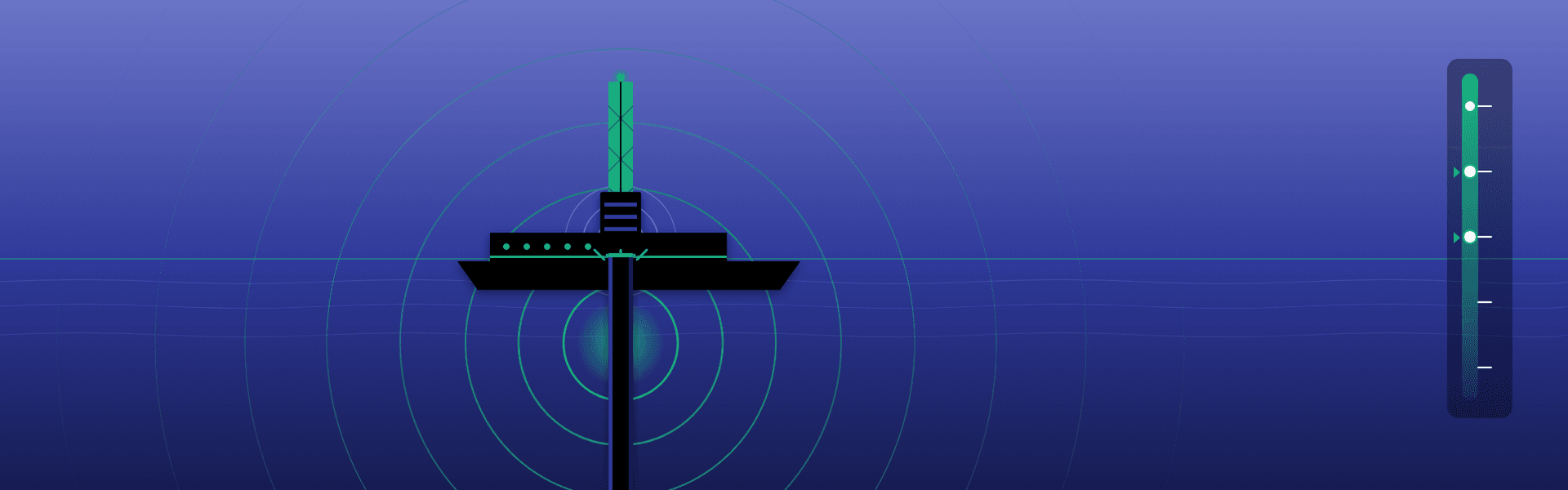
descriptionPile driving for offshore wind has to stay under strict underwater noise limits. Here are the JNCC, BSH, and OSPAR thresholds and what they mean for project teams.

Discover how Sinay optimized its AI video processing infrastructure to handle thousands of maritime monitoring videos daily while reducing GPU costs by 62% using scalable cloud orchestration.

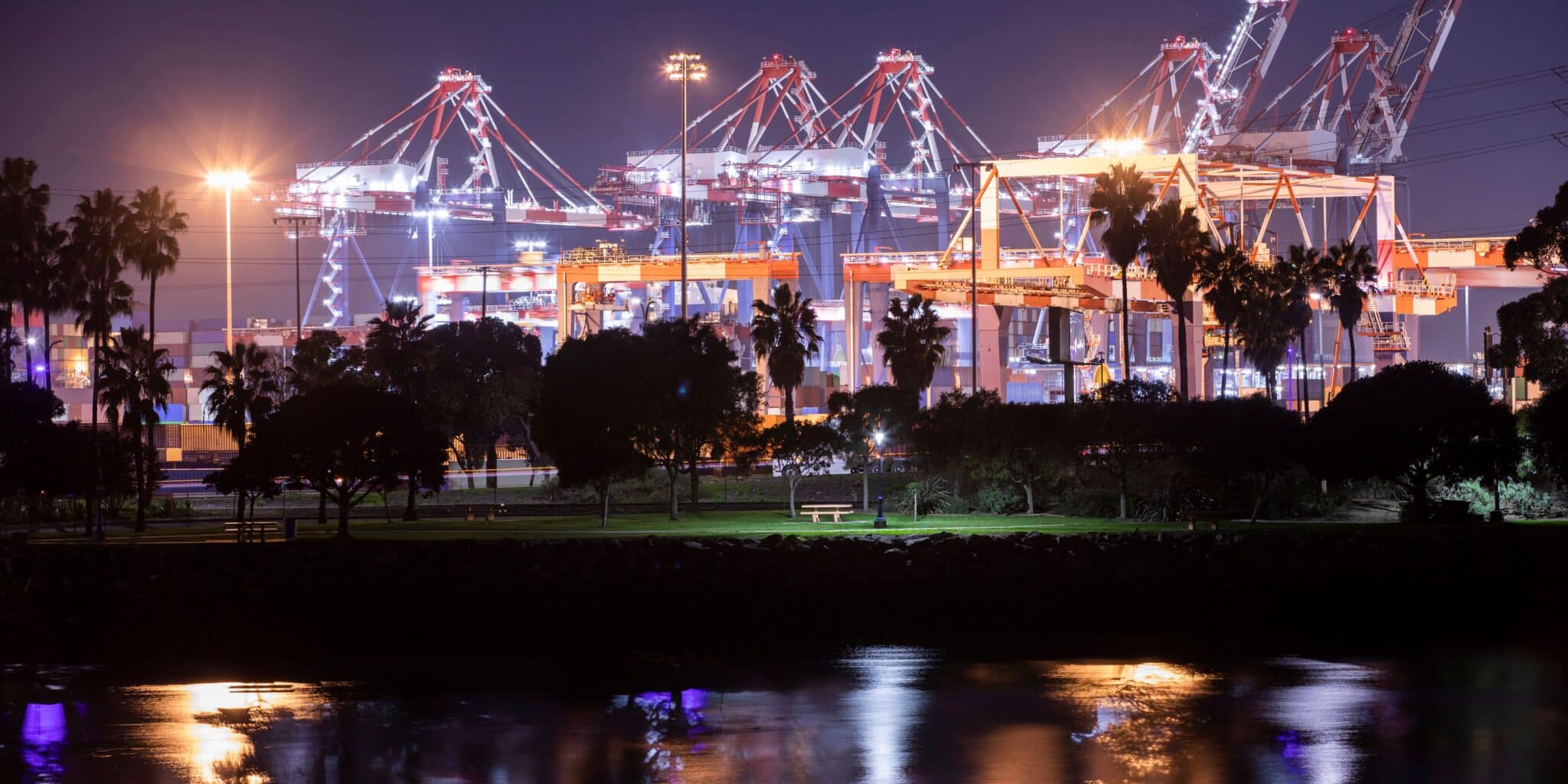
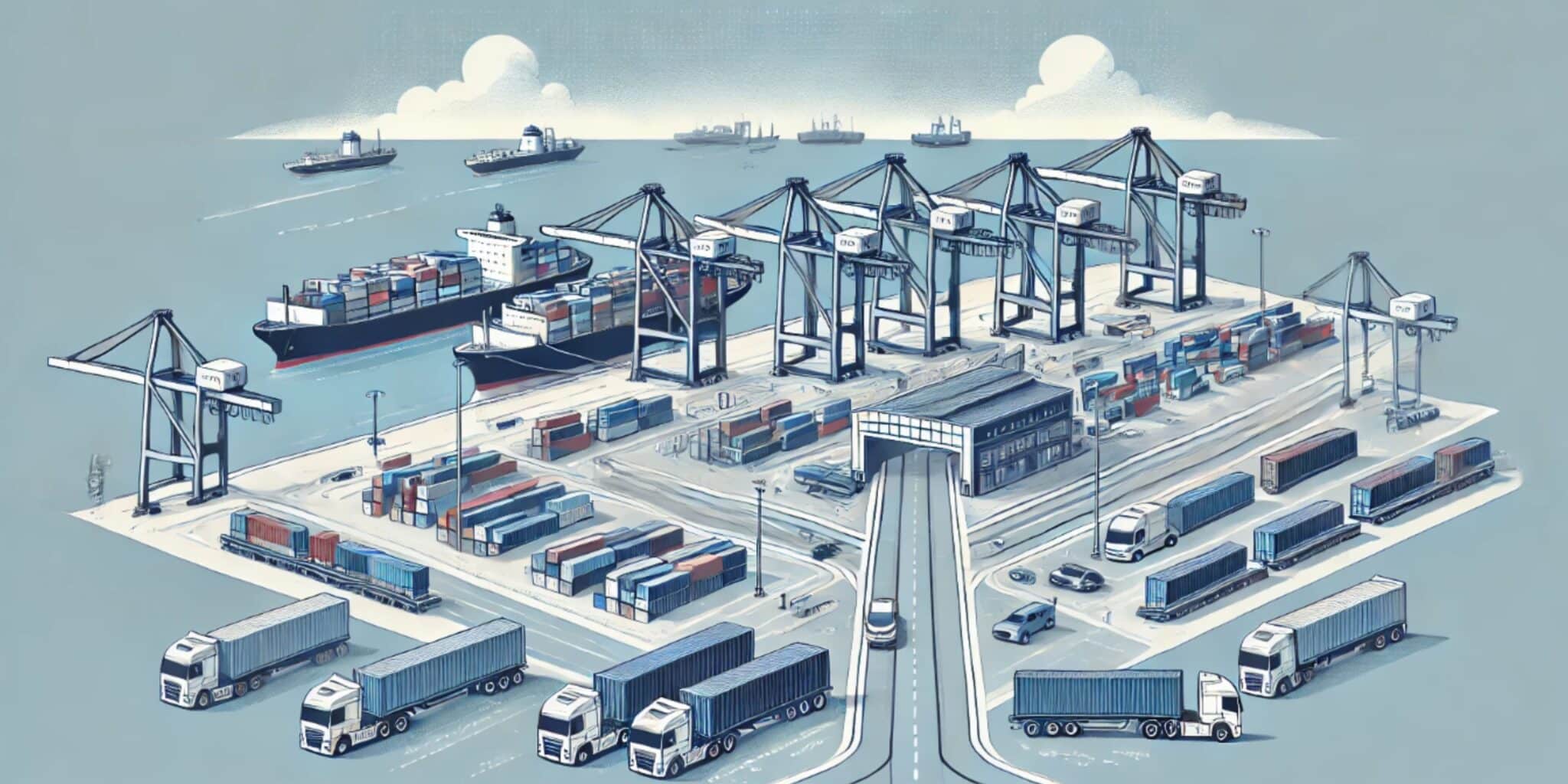
See how the world’s busiest ports manage millions of tons of cargo, power economies, and evolve with smart logistics and automation.

Learn how the top port operators enhance global supply chains with high-capacity terminals, automation, and sustainable shipping solutions.

Learn to select a maritime analytics solution that boosts fuel efficiency, ensures compliance, and transforms your fleet operations with real-time insights.

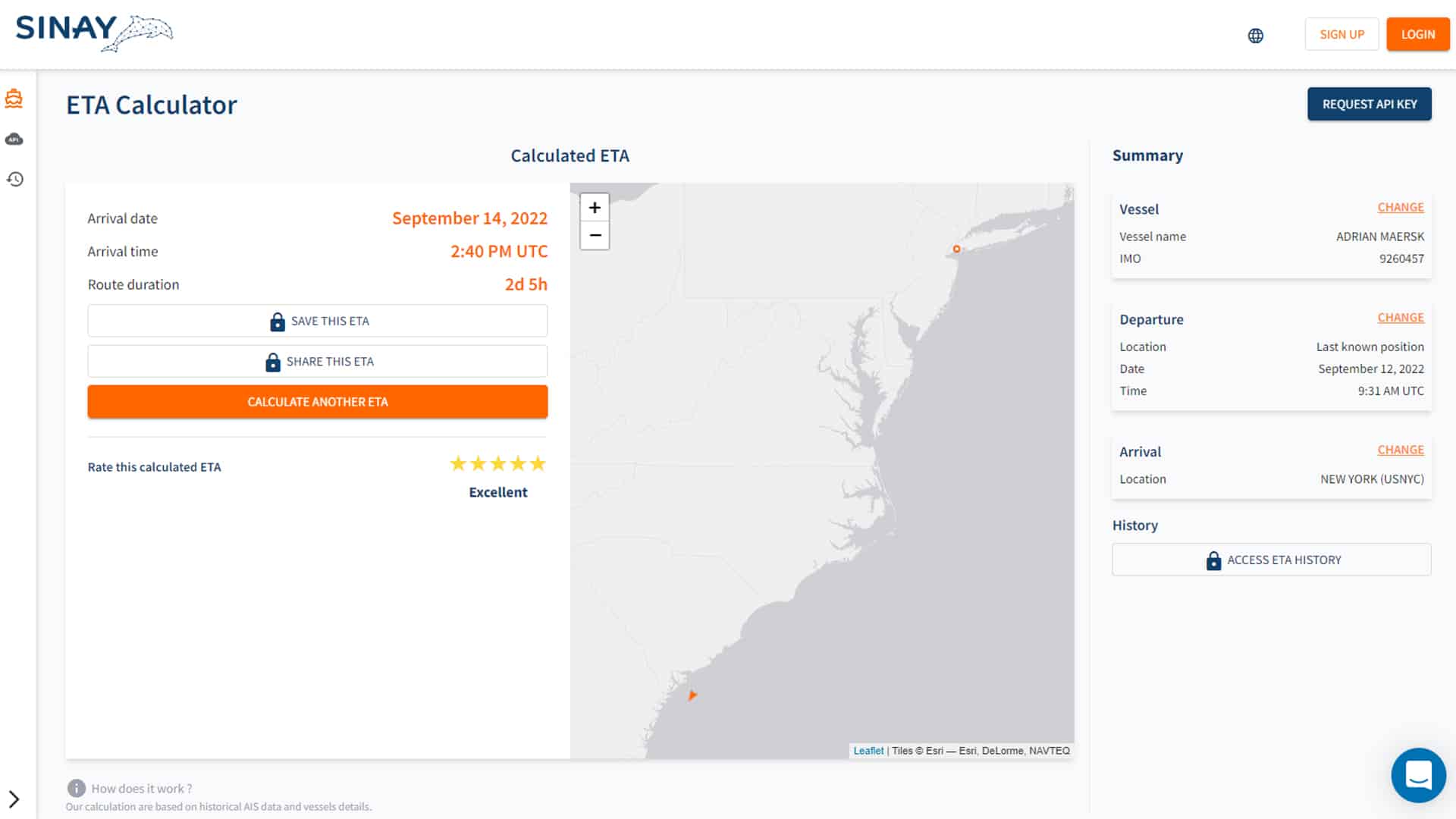
Discover how ETA accuracy enhances supply chain forecasting, improves logistics planning, and minimizes disruptions. Learn how real-time data and technology optimize arrival predictions for better efficiency and customer satisfaction.

Discover why high-quality data is essential for container shipping, enabling efficient logistics, cost reduction, and sustainability. Learn how data drives smarter decisions in global trade.

Explore the benefits of GPS in container tracking for real-time visibility, route optimization, and enhanced security in global shipping operations.

The EU landing obligation forces fleets to land all regulated catches. Remote Electronic Monitoring (REM) is now the most reliable way to prove compliance at scale.

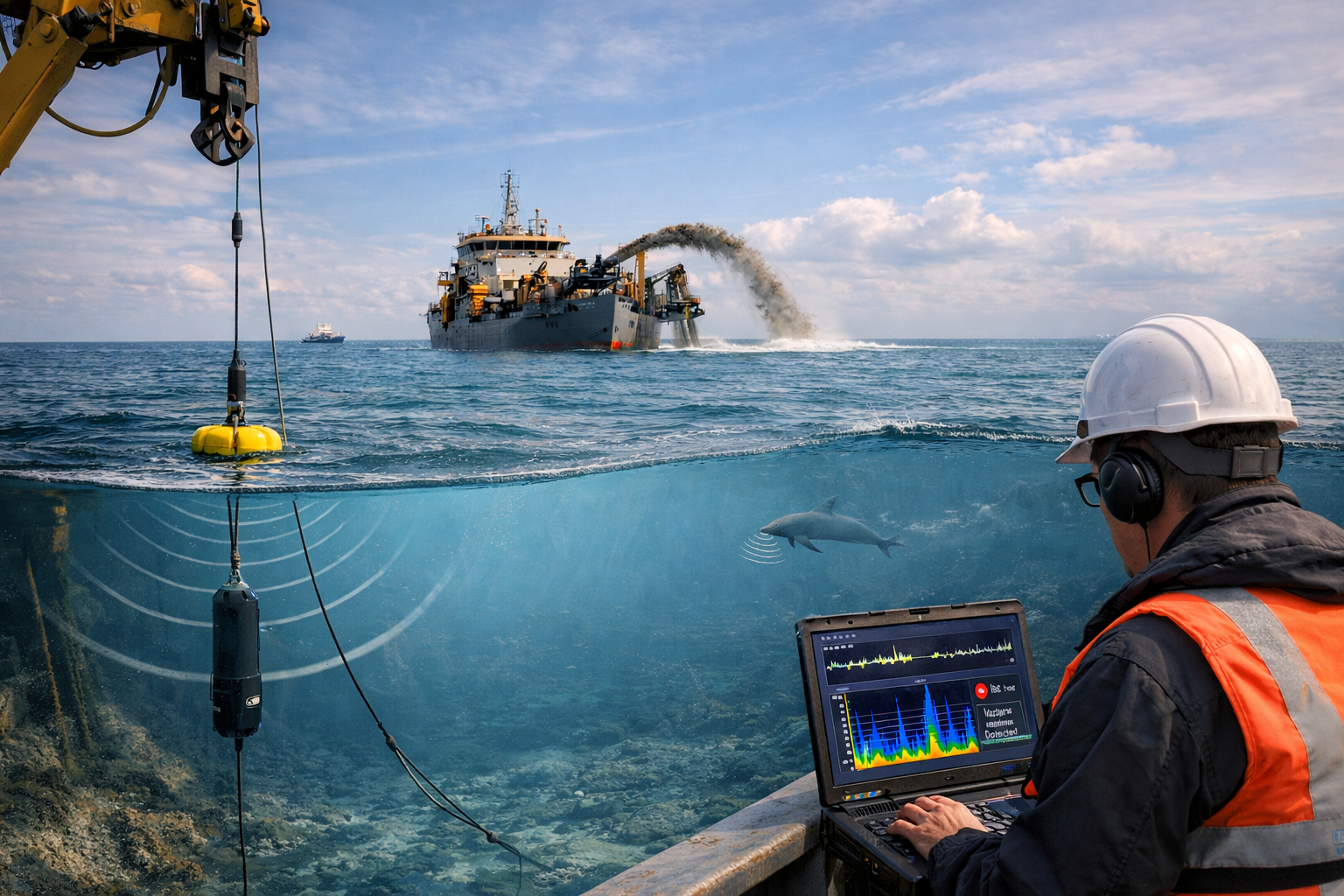
How a dredging company uses Passive Acoustic Monitoring to comply with underwater noise rules and reduce environmental risks.

How passive acoustic systems help monitor biodiversity, assess protection measures, and detect human pressures in marine protected areas.

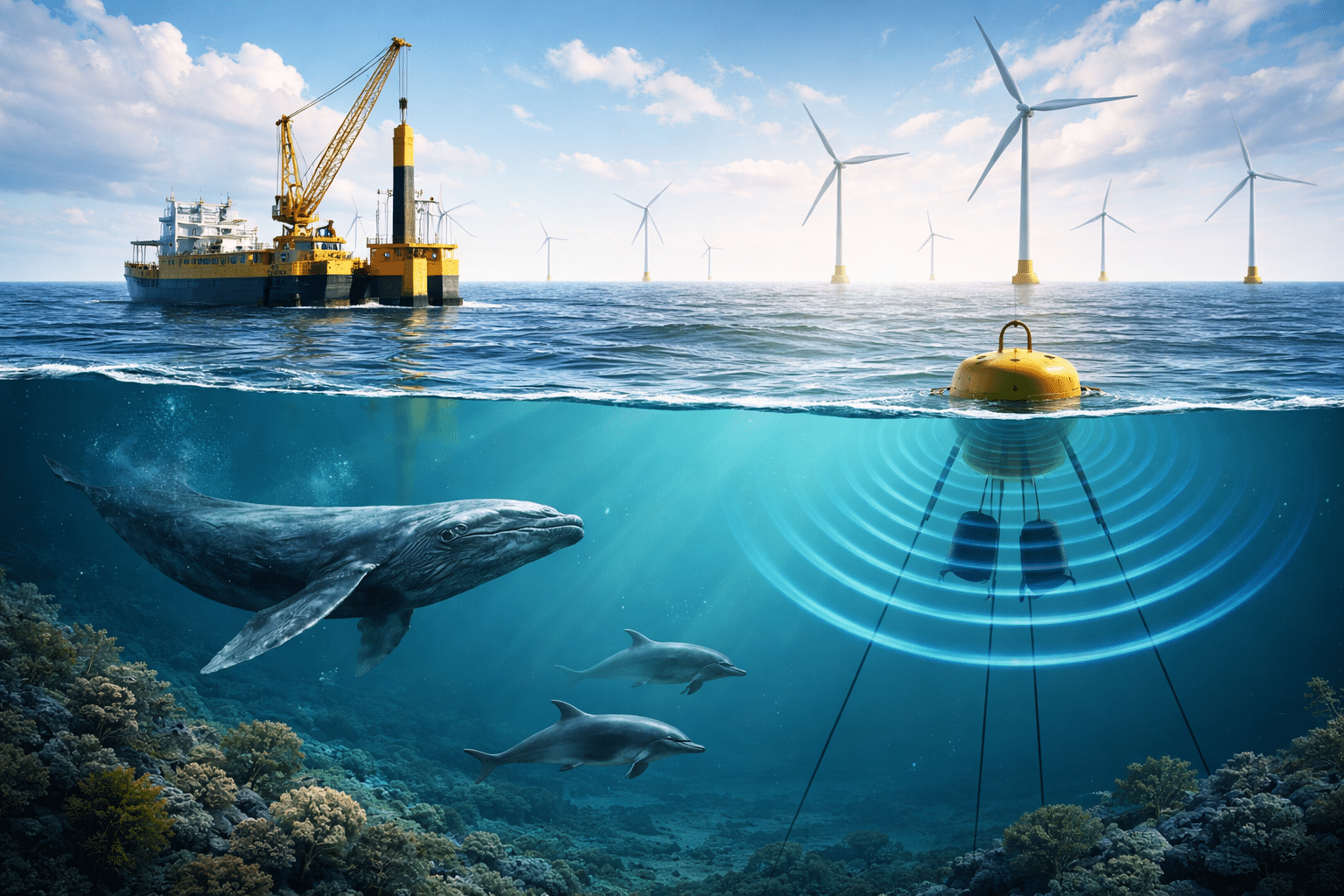
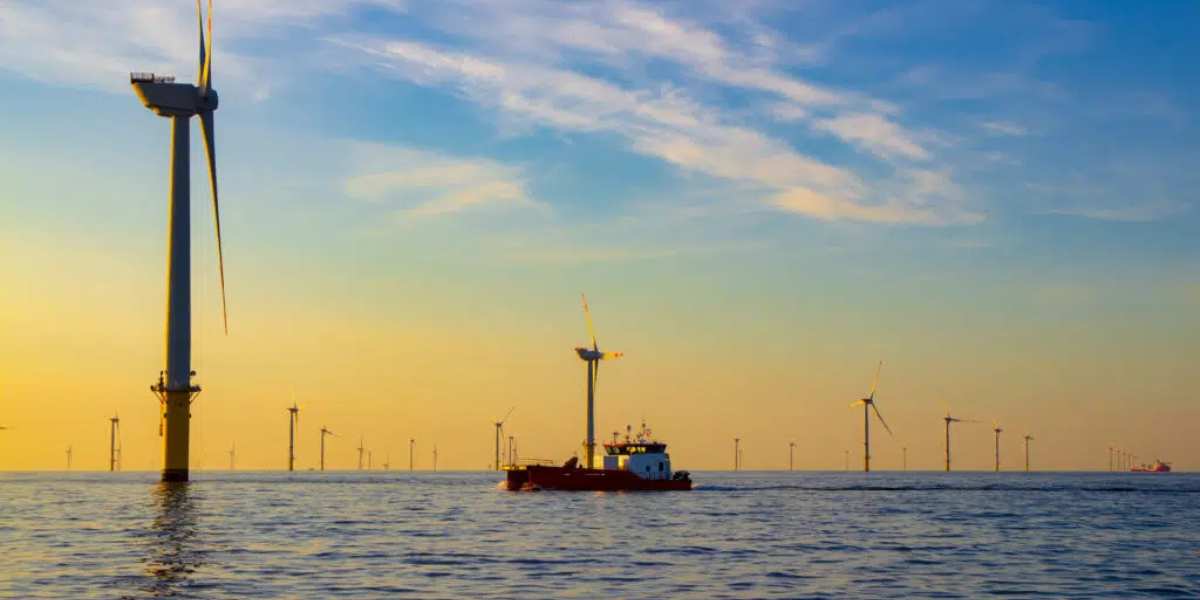
How real-time acoustic monitoring helps protect marine mammals during offshore wind construction while ensuring regulatory compliance.
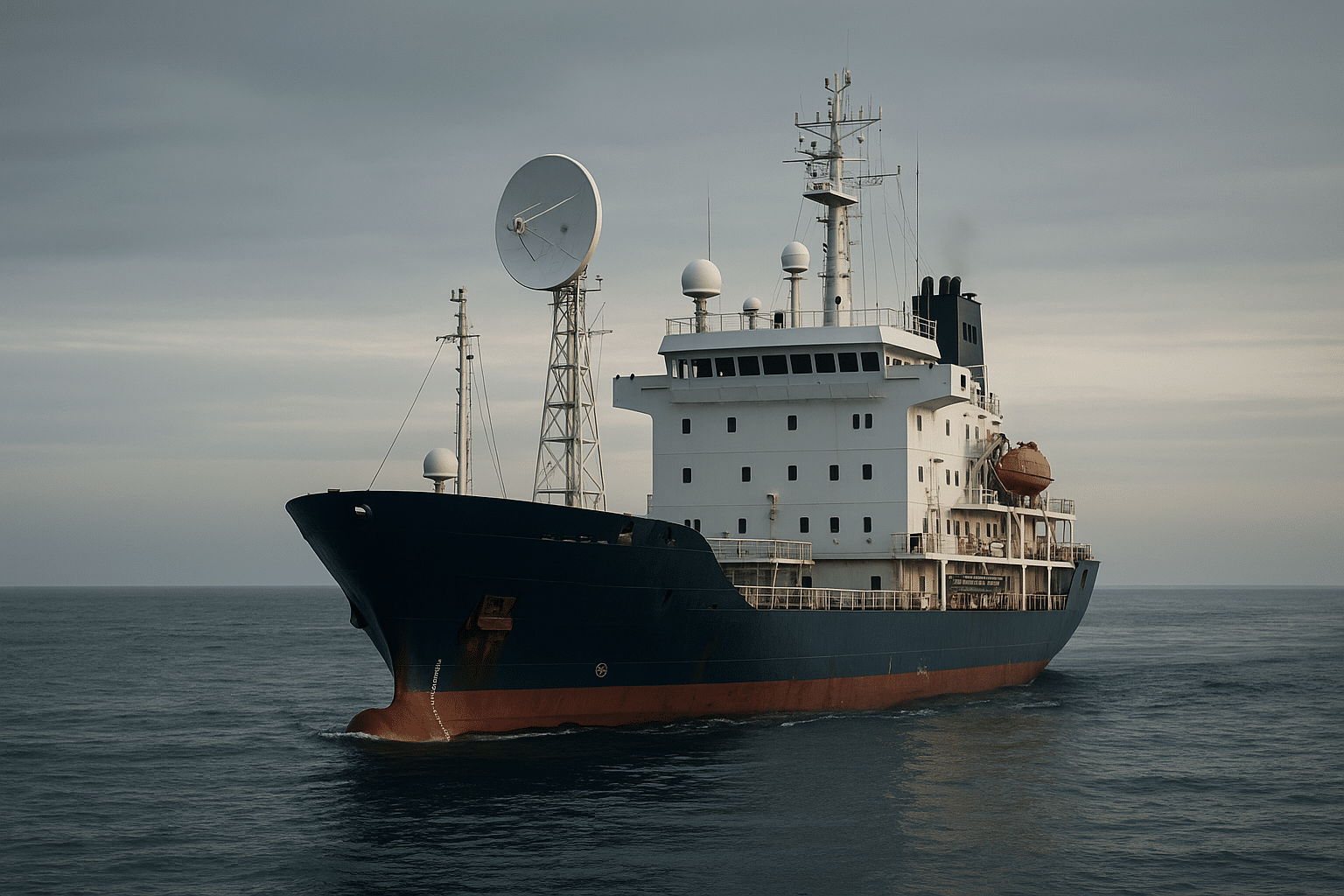
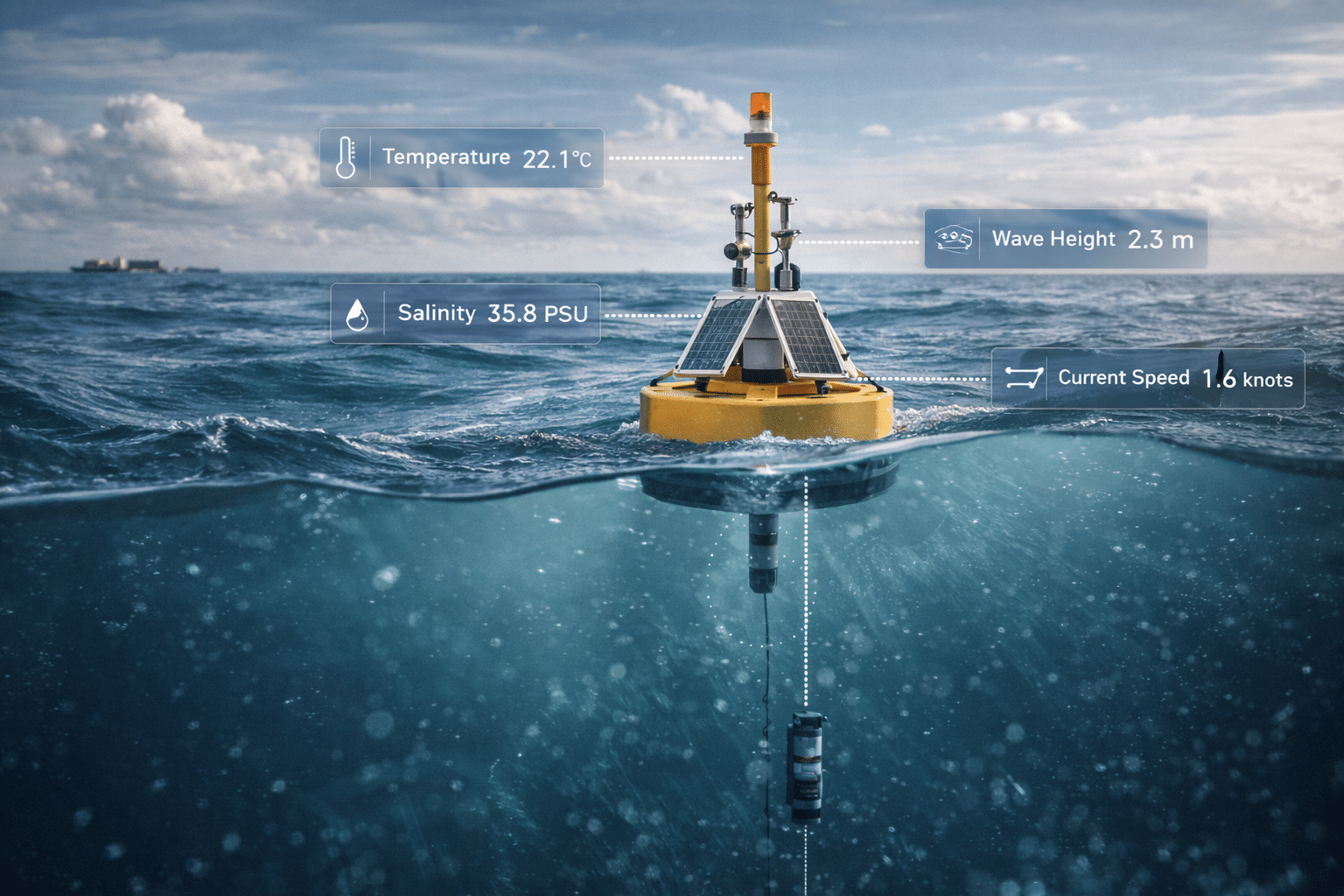
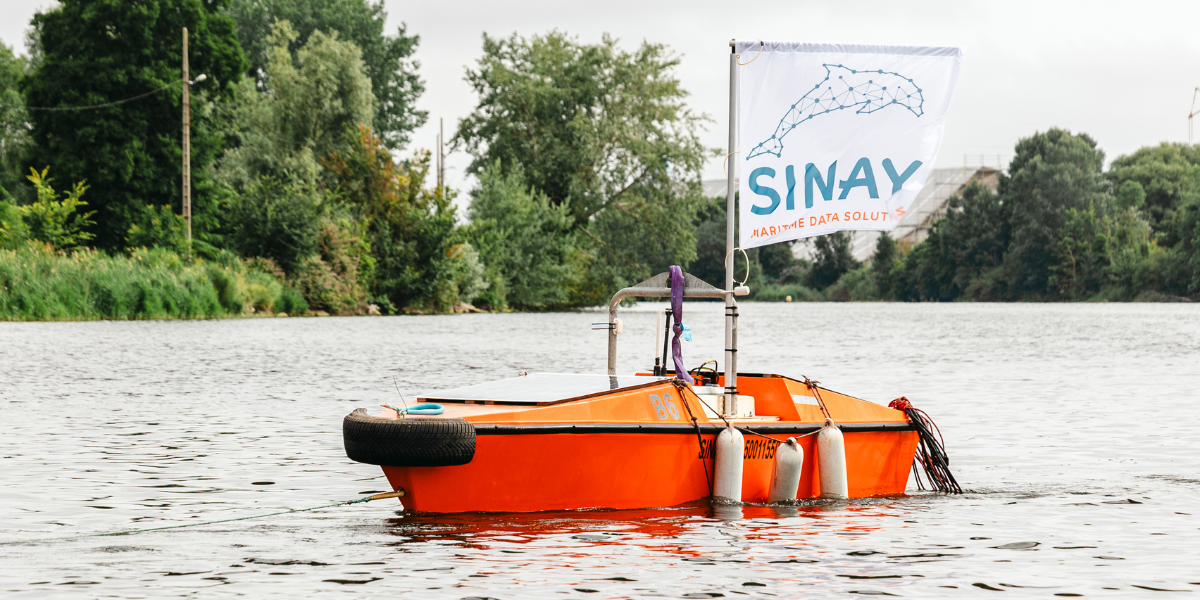
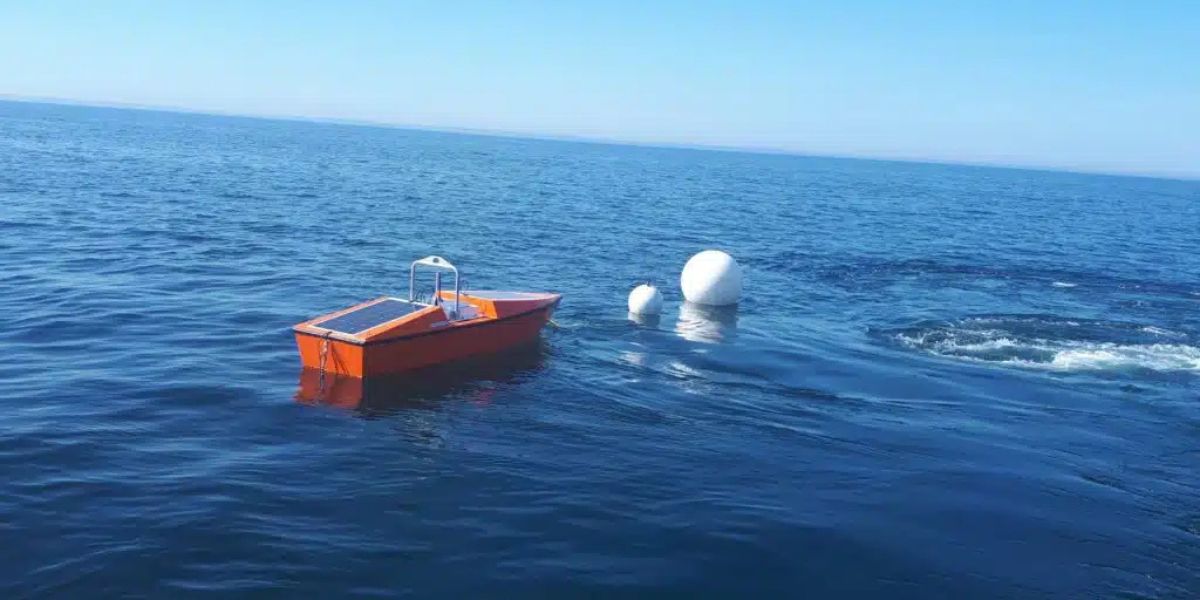
Discover how smart buoys and connected sensors are revolutionizing ocean data collection for powerful, real-time insights.

Ocean acidification—driven by rising CO₂ absorption in seawater—is altering the chemistry of the world’s oceans at an unprecedented rate. While its biological consequences are widely recognized, from weakened shells to disrupted food webs, its implications for global shipping are less understood.
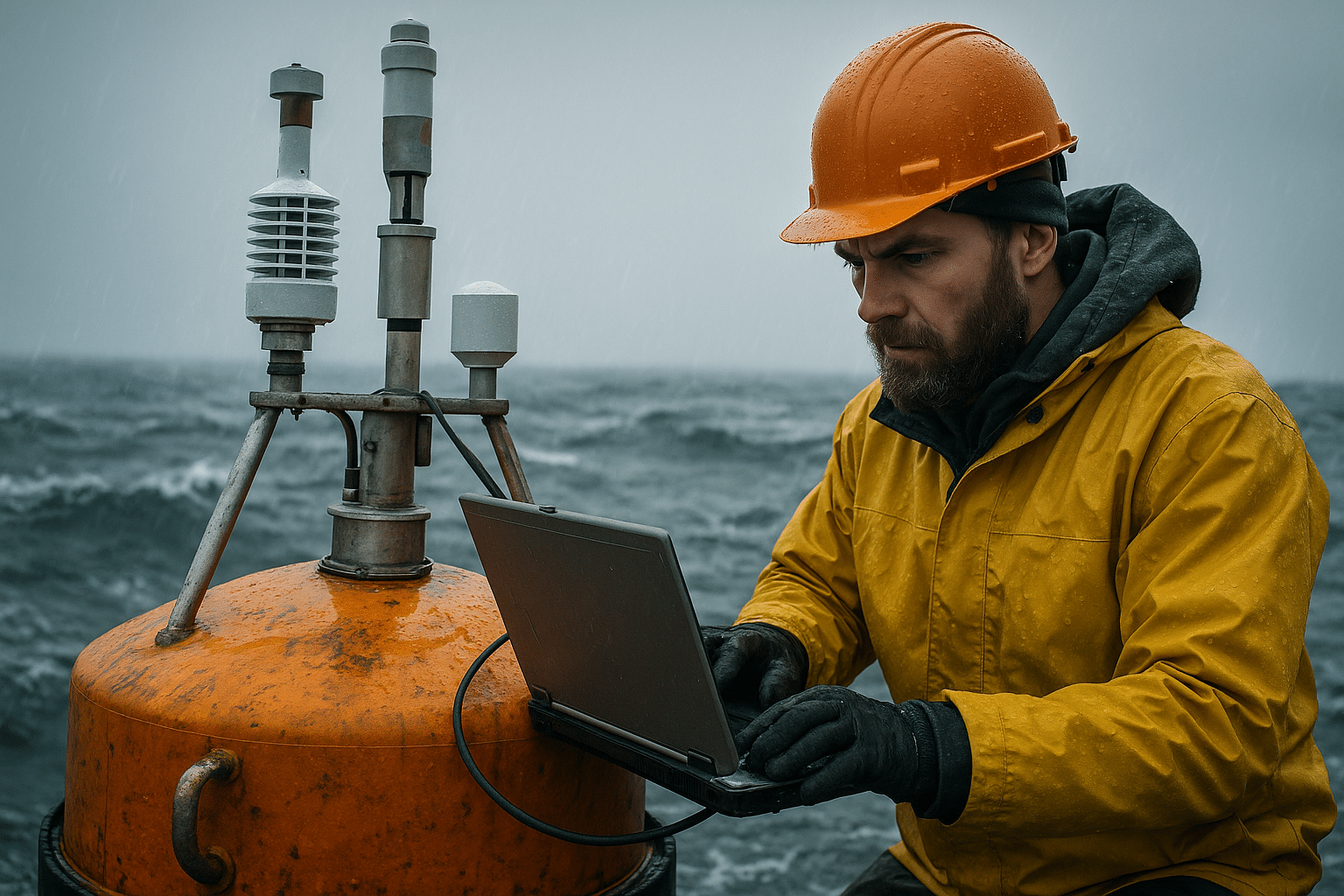
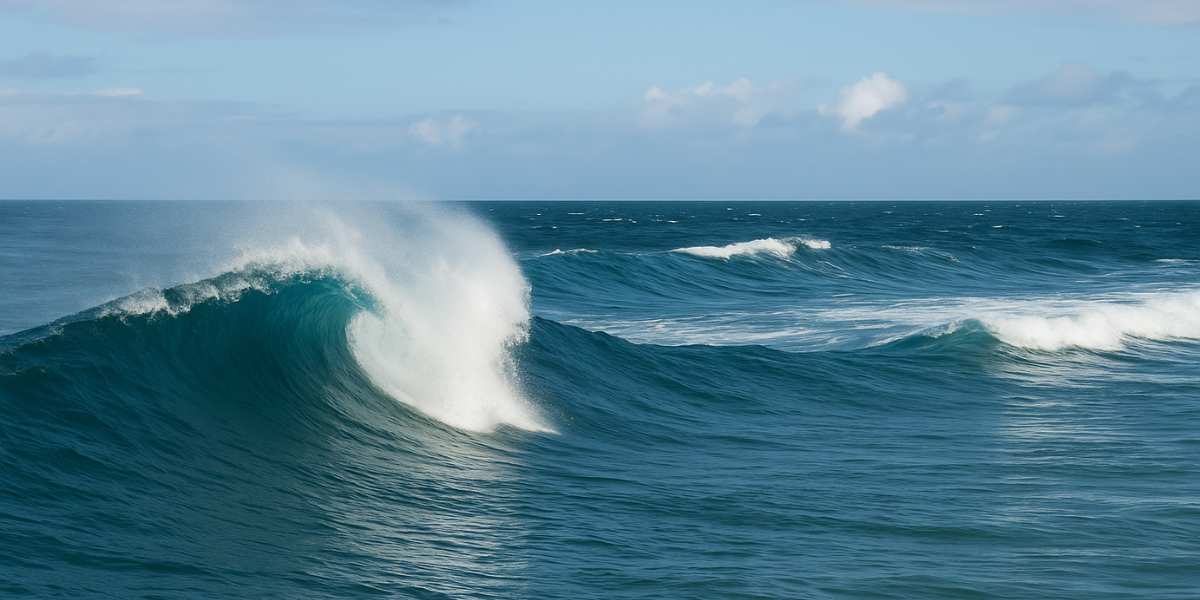
High-frequency metocean data improves offshore decision-making. Explore its real-world uses, key advantages, and risks to watch out for.

Understand how wind conditions at sea are collected, analyzed, and applied to safer navigation, offshore energy, and climate research.

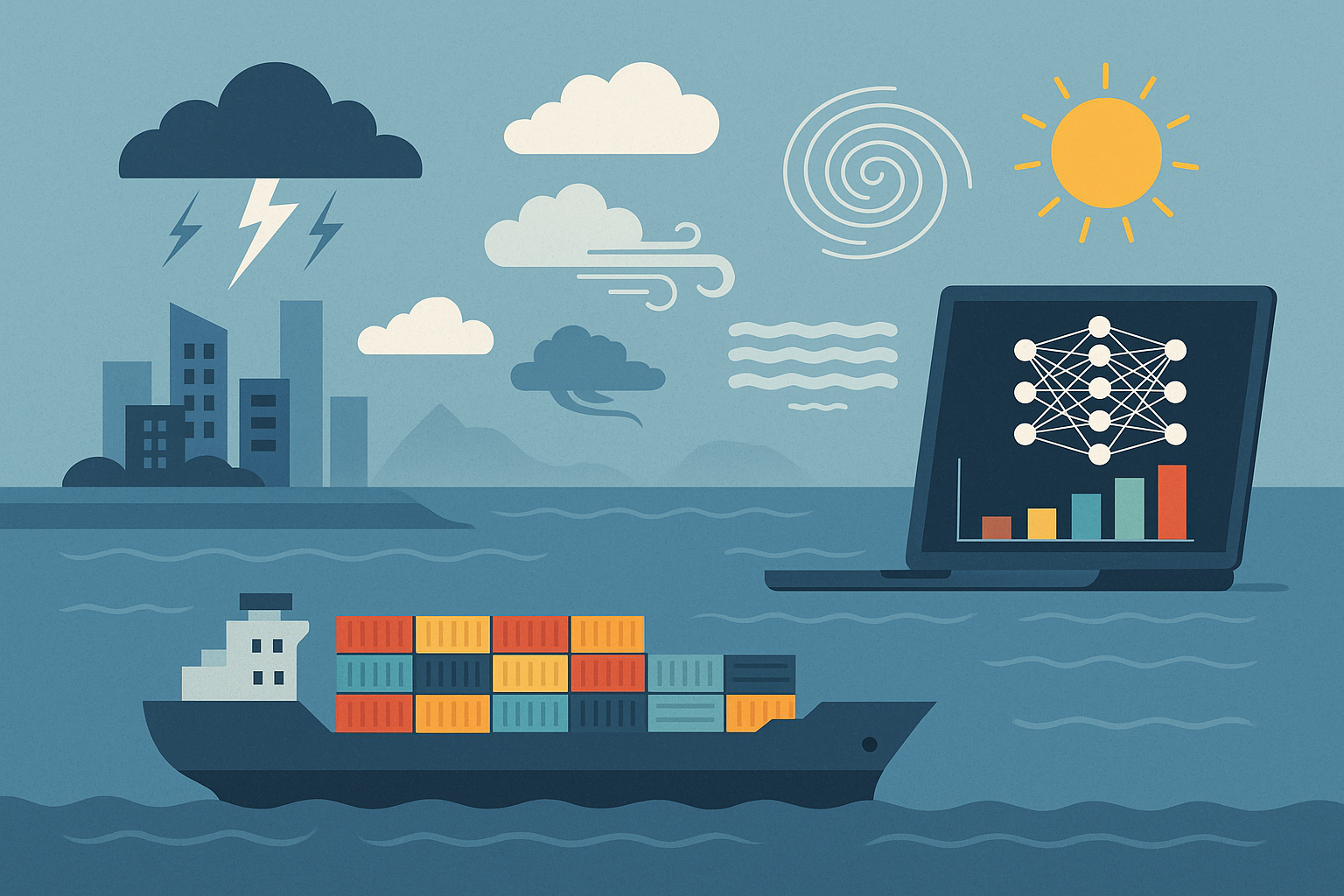
Discover how machine learning tackles maritime weather challenges and drives smarter, greener global trade.

See how metocean insights empower offshore energy teams to plan smarter, reduce delays, and protect marine ecosystems effectively.

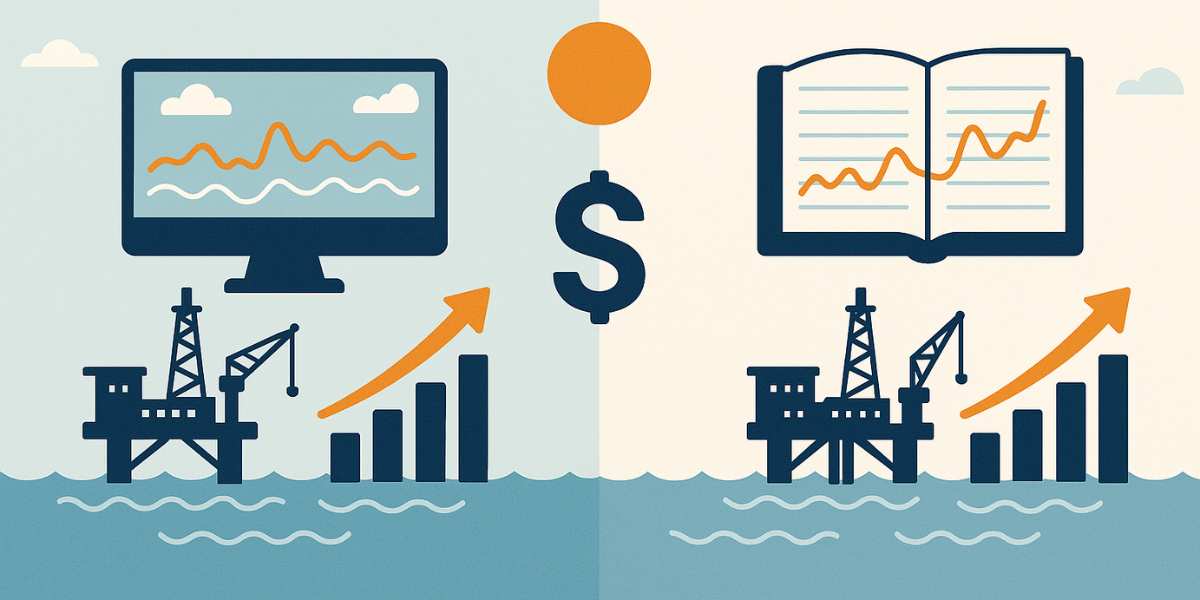
Compare forecasting and climatology in offshore planning. See how accurate metocean data reduces risks and improves project efficiency and ROI.

Discover how measuring and predicting ocean currents improve maritime planning, navigation, and global ecosystem protection.

descriptionPile driving for offshore wind has to stay under strict underwater noise limits. Here are the JNCC, BSH, and OSPAR thresholds and what they mean for project teams.

Could underwater noise credits be the next carbon market? Explore their role in ocean sustainability, marine species protection, and shipping innovation.

Find out the role of Passive Acoustic Monitoring in marine conservation and how real-time data helps protect biodiversity from human-induced ocean noise.

See how ship propellers and hull designs contribute to underwater noise and how engineering innovations help reduce their impact on marine life.

Discover the relationship between mining operations and marine acoustics pollution, and how regulations and technologies can protect fragile ocean habitats

Discover how AI-driven Passive Acoustic Monitoring is revolutionizing wildlife conservation with real-time tracking and enhanced data analysis for endangered species protection.

Learn how transshipment hubs optimize shipping routes, adapt to trade shifts, and strengthen the efficiency of global container shipping networks.

Discover how AI is transforming the maritime industry by cutting costs, optimizing operations, and driving innovation for a sustainable future.

Explore how container tracking improves customs compliance, preventing delays and fines while ensuring efficient global trade and shipment management.

Learn how weather monitoring technology empowers EPC contractors to anticipate challenges, enhance safety, and streamline project execution effectively.

Discover how advanced weather monitoring technology boosts the effectiveness of C-CSOV operations, ensuring timely and safe offshore project execution.
Explore key strategies to cut carbon emissions in shipping, including sustainable practices and advanced technologies for greener logistics.

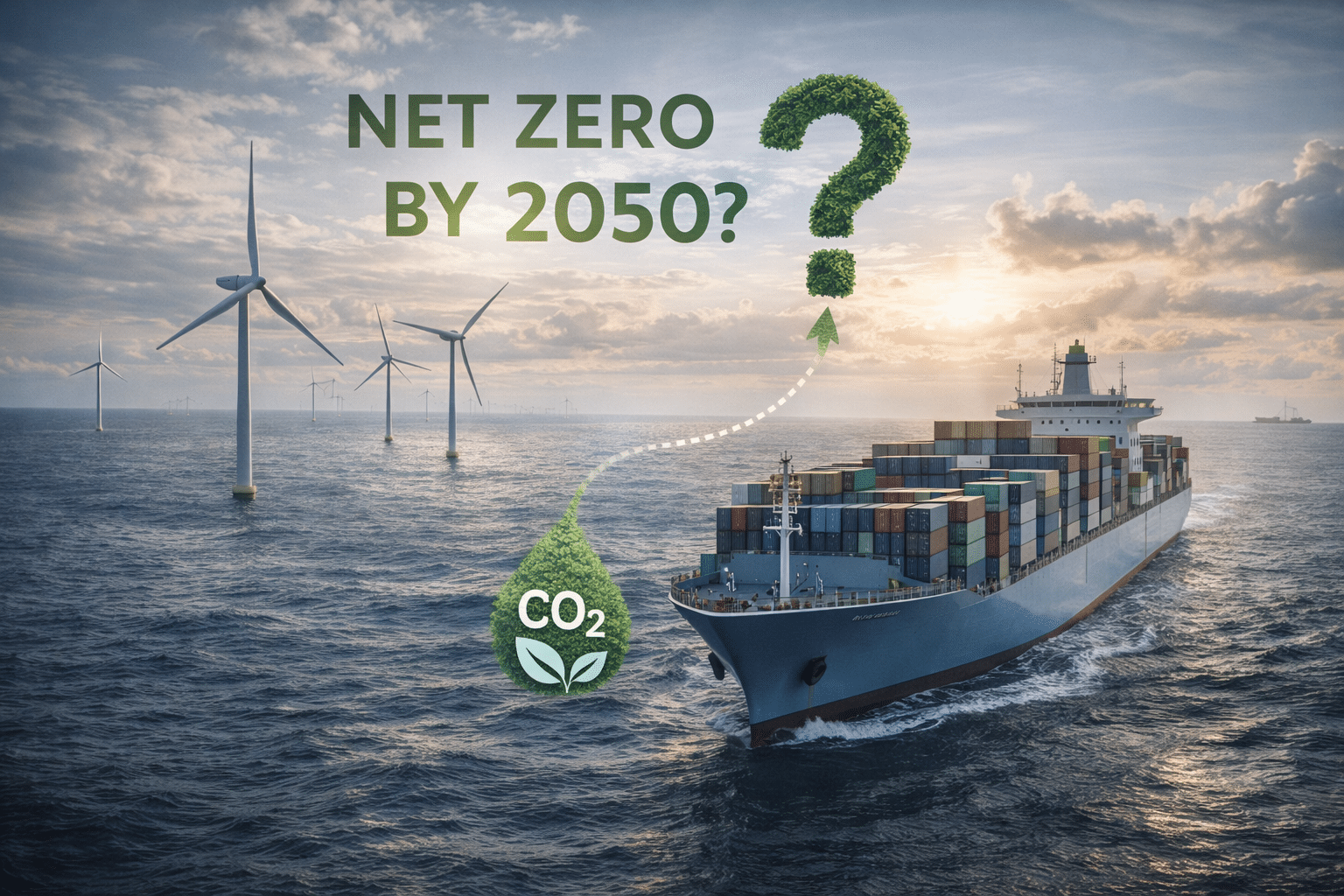
Can the maritime industry reach net zero by 2050? Discover the technologies, fuels, and data driving decarbonization.

Logistics managers drive efficiency through managing inventory, transportation, and costs. Discover the skills and career paths in this dynamic field.

Intermodal vs. multimodal transport: Learn how each method impacts cost, efficiency, and flexibility in global shipping.

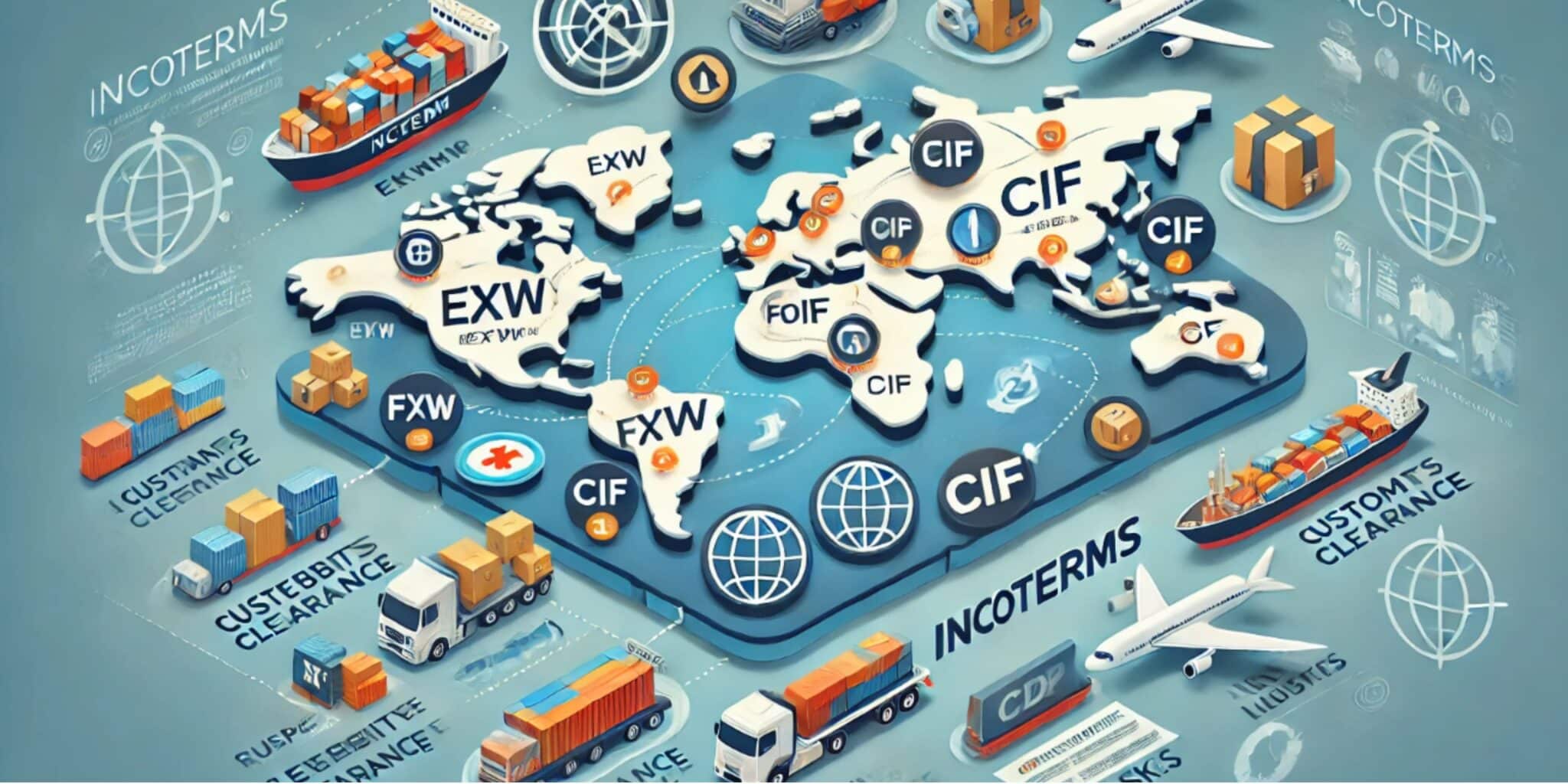
Discover how Incoterms define costs, responsibilities, and risks in global shipping. Learn their impact on logistics, compliance, and trade efficiency.

Rising sea levels, extreme weather, and shifting currents are challenging the shipping industry. Explore how maritime operations are adapting to climate change.

Discover the key duties of an Import/Export Coordinator and how they manage global shipments, logistics, and trade compliance for smooth international operations.

Discover how Sinay optimized its AI video processing infrastructure to handle thousands of maritime monitoring videos daily while reducing GPU costs by 62% using scalable cloud orchestration.

LoRa, NB-IoT, and Satellite Mesh are key technologies in maritime IoT, driving smarter vessel operations and improving marine environmental monitoring.

Learn how IoT ocean sensors are calibrated and validated to ensure accurate, reliable data in harsh marine environments for effective environmental monitoring.

API stands for an application programming interface. They are needed to enable two or more computer programs to interact, using very simple commands.

Reducing its carbon impact is of utmost importance for the maritime industry. In this regard, overcoming operational inefficiencies is one of the priorities for stakeholders across the sector.

Because of the globally increasing demand for cargo shipping and the recent major crisis, the shipping industry is under pressure: congestions have become the norm in many significant ports which can experience delays of several weeks.
Maritime Applications