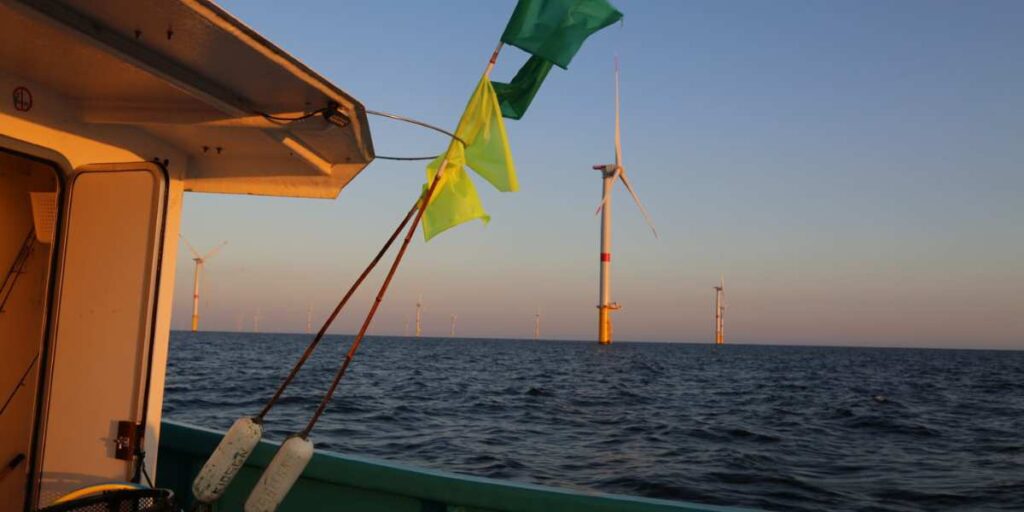
Advanced weather monitoring and metocean analytics play a critical role in improving safety, efficiency, and cost control across Engineering, Procurement, and Construction (EPC) and offshore energy projects. By combining meteorological and oceanographic data, project teams can anticipate environmental risks, optimize operational windows, and ensure consistent progress in complex and exposed environments.
Weather Monitoring and Its Impact on Safety
Weather conditions directly affect site safety and worker wellbeing across all EPC and offshore projects.
Rain and Wet Conditions
Heavy rainfall makes surfaces slippery, destabilizes scaffolding, and can damage machinery, creating hazardous working conditions.
High Winds
Strong gusts endanger cranes, lifts, tall structures, and offshore lifting operations, increasing the risk of falls, projectiles, and equipment damage.
Extreme Temperatures
Both intense heat and freezing cold reduce productivity, threaten worker health, disrupt machinery functionality, and increase operational risk.
Severe Weather Preparedness and Emergency ProtocolsAI
Real-Time Data Analysis
Up-to-date monitoring data enables project managers to anticipate storms, heatwaves, or shifting ocean conditions, allowing schedules to be adjusted to reduce hazards.
Emergency Response Plans
Robust protocols support fast decision-making when unexpected conditions occur, such as pausing non-essential operations or securing equipment.
Historical Examples
Hurricane Katrina demonstrated the devastating impact of extreme weather on infrastructure and construction projects.
European Heatwave 2003 caused major construction delays and serious worker health issues.
Typhoon Haiyan highlighted how extreme weather events can be both destructive and financially costly
Real-World Applications and Case Studies
Offshore Energy Plant (North Sea)
High winds caused repeated shutdowns and equipment damage. Improved forecasting and planning could have reduced downtime and enhanced worker safety.
Solar Energy Project (Arizona)
Severe heatwaves led to machinery failures and health risks. Real-time weather data and proactive scheduling mitigated similar issues in later project phases.
Hornsea One Offshore Wind Farm
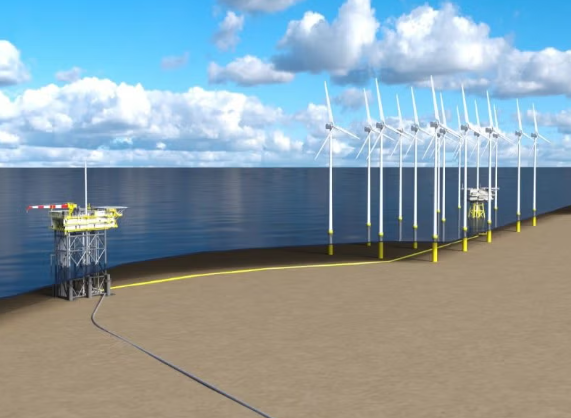
Advanced metocean forecasting optimized weather windows for turbine installation, minimizing downtime and reducing vessel rental costs across a 407 km² site with 174 turbines.
N05-A Gas Field
Metocean data enabled proactive scheduling adjustments, helping avoid high-risk conditions and supporting operations powered entirely by offshore wind energy.
Enhancing Project Efficiency Through Weather and Metocean Monitoring
Strategic monitoring enables better planning, resource allocation, and cost control across onshore and offshore operations.
Optimized Timelines
Accurate forecasts allow teams to schedule high-risk activities such as crane lifts, vessel transfers, or installations during safer weather windows.
Resource Allocation
Real-time insights support the reassignment of labor and equipment to tasks less affected by upcoming weather or ocean conditions.
Budget Control
Reducing unplanned stoppages lowers labor costs, limits vessel idle time, and helps projects stay within budget constraints.
Data-Driven Decision Making
Monitoring data supports:
Scheduling critical activities during optimal conditions
Reallocating resources to maintain productivity
Implementing preventive measures before adverse conditions arrive
Reducing downtime and cost overruns through proactive planning
Key Benefits for Offshore and EPC Projects
Improved Productivity
Aligning labor, vessels, and machinery with favorable weather periods maximizes efficiency and minimizes wasted time.
Safety Enhancement
Accurate predictions of wind, waves, and currents improve equipment stability and reduce operational hazards.
Quality Assurance
Adjusting project phases around environmental conditions ensures higher-quality workmanship and reduces rework.
Strategic Planning
Timely alerts allow managers to reschedule tasks, protect equipment, and prevent safety incidents.
Advanced Technologies for Weather and Ocean Forecasting
IoT Sensors and Buoy Data
Sensor networks and ocean buoys provide continuous real-time data on temperature, wind speed, wave height, humidity, and currents, enabling immediate alerts and rapid response.
Satellite and Radar Systems
Satellite imaging delivers wide-area visibility of storms, wind patterns, and sea surface temperatures, while Doppler radar tracks precipitation and storm movement in near real time.
Numerical Modeling
Mathematical models simulate ocean and weather conditions to forecast wave behavior, wind speed, and current profiles critical for offshore operations.
AI and Machine Learning
Machine learning models analyze large historical datasets to recognize patterns, detect anomalies earlier, and improve forecast accuracy over time. AI-driven systems can also predict weather impacts specific to construction and offshore activities.
Key Environmental Parameters for Decision-Making
Wave Height: Impacts vessel stability, crane operations, and personnel transfers
Wind Speed: Affects helicopter landings, lifting operations, and working conditions
Current Profile: Influences subsea installations, cable laying, and ROV navigation
Optimizing Offshore and EPC Projects with Sinay’s Metocean Analytics
Comprehensive metocean analytics support safer operations, stronger planning, and improved project outcomes.
Plan with Precision
Access historical hindcast data combined with live monitoring to schedule offshore operations safely and cost-effectively.
Mitigate Weather-Related Risks
Early warnings minimize unplanned downtime and maintain consistent progress in challenging environments.
Boost Operational Efficiency
Reliable metocean data enables smoother scheduling, fewer safety incidents, and reduced idle time.
Avoid Expensive Delays
Clear, actionable analytics support proactive decision-making, reducing equipment and labor costs.
Flexible and Global Data Access
Integrate real-time global metocean data from open, private, third-party, and customizable sources, and upload your own datasets to create a tailored analytics environment within one intuitive platform.
FAQ about environmental monitoring for offshore projects
They help ensure regulatory compliance, minimize environmental impact, and optimize operations by tracking key factors like water quality, emissions, and noise levels.
Advanced sensors, IoT devices, AI, and real-time data analysis are used to collect and process environmental data for better decision-making.
They detect pollution, habitat disturbances, and climate-related threats early, allowing proactive measures to prevent damage.
Sectors like oil & gas, wind energy, and aquaculture use these systems to maintain sustainability and improve efficiency.