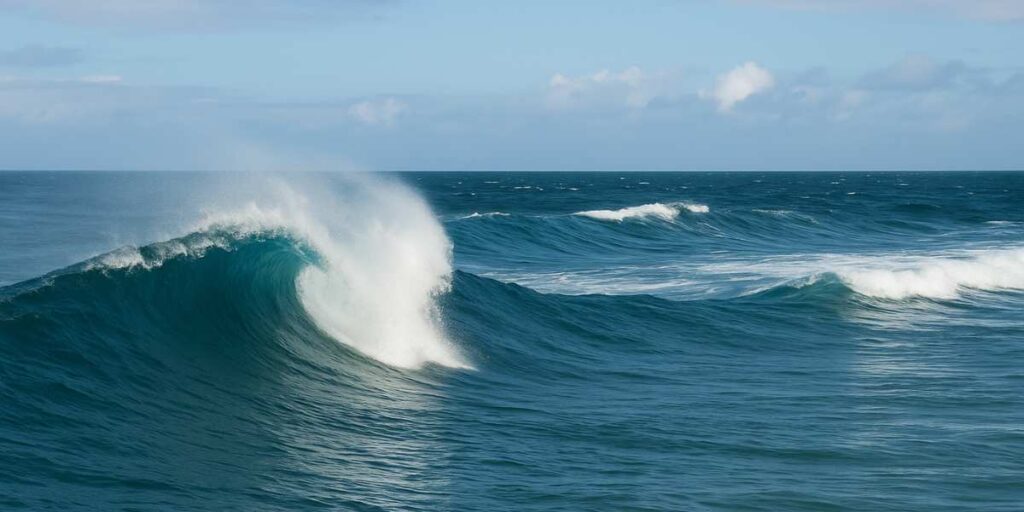
Wave measurement has shifted from research to essential practice in marine operations. Once seen as academic, wave spectra now inform safety, forecasting, and coastal planning. Accurate data helps predict storm impacts, guide marine engineering, and support sustainable infrastructure. As precision needs grow, wave monitoring is key to safer, greener maritime decision-making.
Wave Monitoring and Its Technologies
Waves have been studied for centuries, but modern wave monitoring began to advance with the deployment of the first wave-recording buoys in the mid-20th century.
What Is Wave Monitoring and Why Does It Matter?
What Technologies Are Commonly Used to Measure Waves?
Buoys
Radar
LiDAR
Satellite Altimetry
Wave Monitoring Applications
The Role and Benefits of Wave Data in Planning
The Earth has a coastline of over 356,000 kilometers, and waves above the high seas constantly shape these shores through erosion, sediment transport, and energy transfer. The tallest ocean wave ever instrument-measured was recorded in the North Atlantic Ocean between Iceland and the UK on February 4, 2013. It reached a significant wave height of 19 meters (62.3 feet) and was detected by a buoy operated by the World Meteorological Organization (WMO). In what ways does wave data support decision-making?
Real-World Applications and Case Studies
The Earth has a coastline of over 356,000 kilometers, and waves above the high seas constantly shape these shores through erosion, sediment transport, and energy transfer. The tallest ocean wave ever instrument-measured was recorded in the North Atlantic Ocean between Iceland and the UK on February 4, 2013. It reached a significant wave height of 19 meters (62.3 feet) and was detected by a buoy operated by the World Meteorological Organization (WMO). In what ways does wave data support decision-making?
Wave Data for Coastal and Marine Safety
Wave data as a scientific and operational resource emerged gradually between the 1930s and 1970s, with modern digital systems coming into widespread use in the last 50 years. Accurate measurements of wave height, direction, and wind conditions, often collected by buoys, feed into forecasting models that help predict hazardous states.
These forecasts support erosion control efforts by identifying high-risk periods when powerful waves can damage shorelines. Engineers rely on this data to design resilient offshore structures, such as platforms and breakwaters, that must withstand both everyday weather and extreme events. In flood defense planning, wave forecasting systems provide early warnings that allow communities to prepare in advance.
How Wave Data Improves Operational Decisions
Wave data is essential for helping ports, ship captains, and energy companies make informed operational decisions. Accurate measurements of waves, collected by offshore buoys, provide real-time insights into sea conditions that can affect safety and efficiency. For example, ports rely on wave height and wind data to determine when it is safe for large vessels to enter or leave the harbor.
Ship captains use predictive models of wave and weather conditions to optimize routes, avoid severe storms, and reduce fuel consumption. In the renewable energy sector, companies depend on detailed wave records to plan maintenance activities around offshore platforms and wind farms. Knowing when wave heights will be manageable helps protect crews and equipment. Integrating wave observations into decision-making systems allows stakeholders to anticipate hazards, schedule operations, and ensure that marine activities remain both profitable and safe.
Case Studies of Effective Wave Monitoring Practices
Accurate measurements of wave height, wind, and weather conditions help build reliable models that guide critical decisions. The following examples highlight how effective data use has strengthened resilience and efficiency across different sectors.
In the Netherlands, a coastal defense project utilized advanced buoy networks to collect data on wave heights and wind records. Engineers applied this information in a model that predicted storm surge risks and optimized the placement of reinforced dunes and barriers. This approach has reduced flooding and improved protection for thousands of residents.
At the Port of Los Angeles, real-time wave measurements inform vessel scheduling and cargo operations. A data system integrates buoy readings and weather inputs to estimate safe docking windows. This has lowered delays and improved overall safety during unpredictable sea conditions.
On Norway’s offshore platforms, operators rely on high-precision wave data to support structural integrity assessments. Buoys track wave heights and wind strength, feeding into a predictive model that guides maintenance planning and emergency response. These measures have increased platform resilience against extreme weather.
Wave Forecasting Models and Future Trends
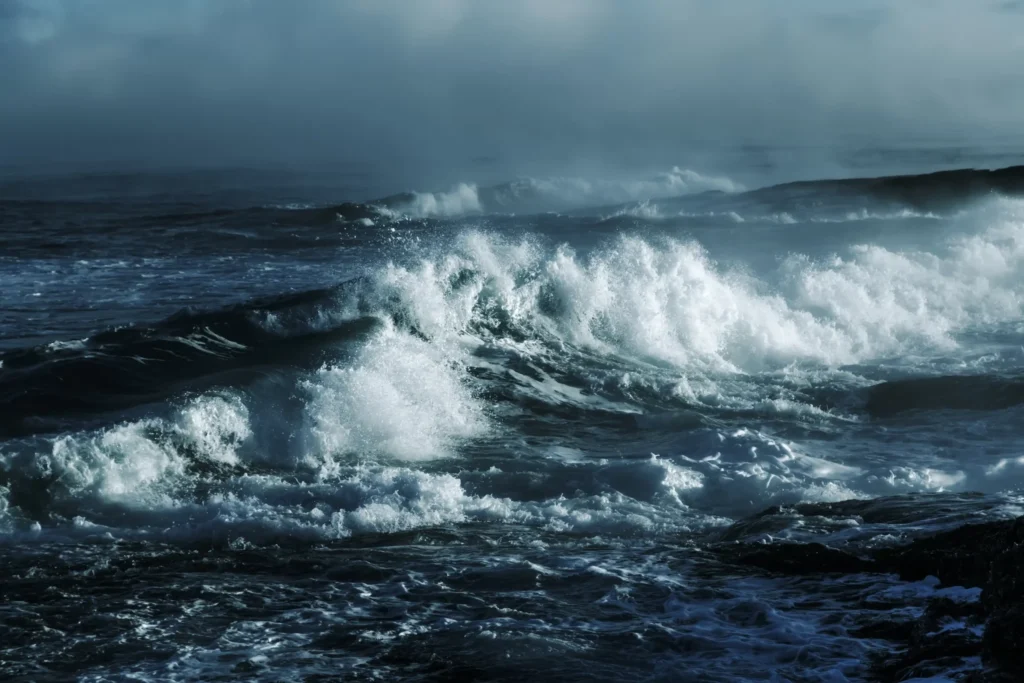
Activities like shipping, fishing, offshore energy, coastal defense, and marine tourism rely heavily on sea and weather conditions, requiring reliable marine forecasts that extend up to ten days in advance. What advancements are expected in wave data prediction and modeling?
Wave Forecasting Models
Simulating WAves Nearshore
WAVEWATCH III
Spectral Wave Models
Comparing Traditional and Machine Learning-Based Forecasting
Both Traditional and Machine Learning approaches offer valuable tools to predict waves, yet they differ in flexibility and performance. Traditional wave models use physics-based equations, driven by inputs like wind, bathymetry, and pressure.
These models rely on structured data from sensors, buoys, and global figures to calculate wave height, period, and direction with validated values. In contrast, Machine Learning models, such as neural networks or ensemble techniques, learn from vast datasets to identify complex patterns. They adapt quickly to new data, making them more responsive and scalable. ML can incorporate irregular inputs and outperform in scenarios where physical models struggle with nonlinear wave behavior. While traditional methods remain essential for validation and transparency, ML opens paths to smarter forecast strategies.
Emerging Trends and Tools
AI-Powered Prediction
IoT-Enabled Sensing
Remote Sensing Advances
Cloud-Based Platforms and Open Data
Our Wave Forecasting Solutions for Offshore Success
Conclusion
We may see the waves as beautiful and calming, but understanding and monitoring them is crucial for safety and planning. Measuring waves helps protect coastlines, guide ships, build strong marine structures, and support renewable energy. Advances like artificial intelligence and smart sensors make wave monitoring faster and more accurate.
FAQ about environmental monitoring for offshore projects
They help ensure regulatory compliance, minimize environmental impact, and optimize operations by tracking key factors like water quality, emissions, and noise levels.
Advanced sensors, IoT devices, AI, and real-time data analysis are used to collect and process environmental data for better decision-making.
They detect pollution, habitat disturbances, and climate-related threats early, allowing proactive measures to prevent damage.
Sectors like oil & gas, wind energy, and aquaculture use these systems to maintain sustainability and improve efficiency.