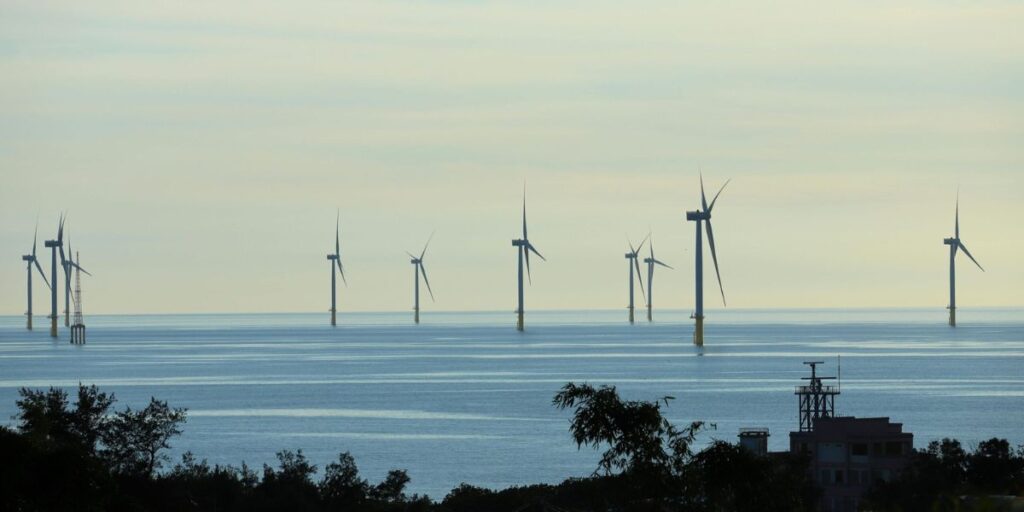
Offshore projects are crucial to the global energy supply as they provide clean, renewable power to millions of homes and businesses while reducing carbon emissions and dependence on fossil fuels. However, their success depends heavily on understanding and adapting to the challenging marine environment. Research shows that weather-related interruptions can cause up to 30% of delays in offshore sites, driving up expenses and prolonging schedules. This is where metocean analytics makes a crucial difference. These insights enable developers to design safer structures, schedule maintenance more effectively, and minimize unplanned interruptions. In this article, we’ll explore five powerful ways metocean analytics reduces downtime, improving both project resilience and profitability in the offshore renewable energy sector.
Metocean Data in Offshore Operations
In 1947, the first offshore oil platform out of sight of land was built in the Gulf of Mexico by Kerr-McGee. As offshore renewable energy emerged, particularly wind turbines in the 2000s, the demand for precise, site-specific data grew rapidly. Today, sophisticated analytics combine decades of historical records, real-time sensor networks, and predictive models to support safer, more efficient sea-based installations.
Why Does It Matter?
The term metocean blends meteorology and oceanography, describing data about atmospheric and ocean conditions that affect offshore operations. This includes measurements of wind, waves, currents, tides, and temperature. This information is essential because structures must endure harsh environmental forces and minimize impact on surrounding ecosystems. For example, understanding wave patterns helps engineers design stable platforms and plan safe installation windows. Accurate insights also reduce downtime, improve safety, and support environmental assessments. Whether building wind farms or oil rigs, developers rely on detailed analysis to evaluate risks, optimize logistics, and protect both people and the marine environment.
Critical Factors in Data Collection
Waves
Currents
Wind
Tides
Water temperature and salinity
Noise data
Methods Used in Data Collection and Analysis
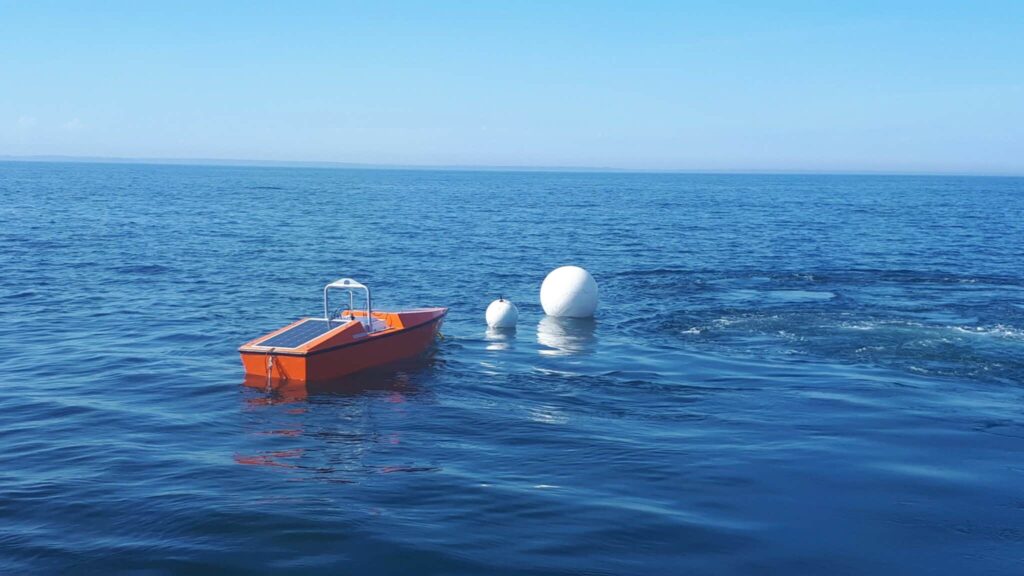
Buoys
Satellites
Numerical models
On-site data
The Role of Marine Environmental Analytics
Shaping Design and Operations
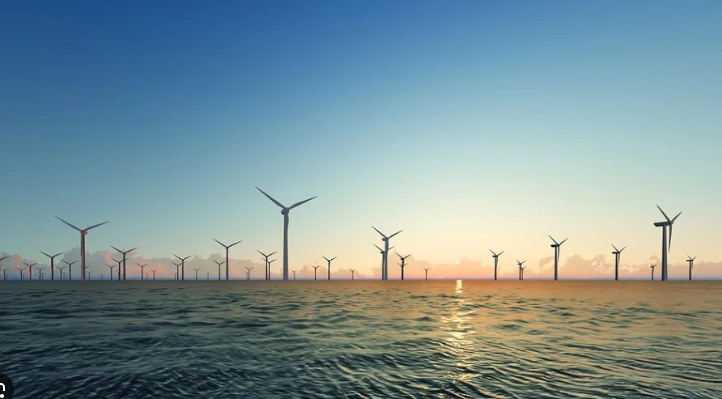
Metocean parameters strongly influence how a wind farm is planned and built. Site selection is based on data about waves, currents, and wind, ensuring energy production is efficient and reliable. Foundation design is driven by seabed characteristics and wave forces to create stable structures. During installation, climatic windows are carefully considered to avoid delays. This process helps developers implement solutions that improve safety, lower costs, and maximize long-term efficiency.
Five Ways Metocean Analytics Reduces Downtime
In Europe, over 80% of offshore wind projects now rely on advanced ocean analytics to guide planning and operations. Countries like the UK, Denmark, and Germany have adopted these technologies to improve decision-making and reduce costly downtime. Here are five reasons why oceanographic insights help minimize downtime in offshore operations.
Accurate weather windows
Advanced technologies analyze wind and ocean patterns to identify safe operational periods. This supports timely decision-making in the maritime industry, reducing delays and protecting existing infrastructure while ensuring uninterrupted energy production during construction activities.
Dynamic risk assessment
Real-time monitoring tools model environmental risks, empowering operators to adjust plans quickly. In the wind energy sector, this approach helps the industry respond effectively to sudden meteorological changes, enhancing the resilience of maritime operations and assets.
Optimized maintenance planning
Data-driven insights allow teams to schedule maintenance during ideal conditions. This improves operational efficiency, reduces unexpected costs, and helps protect energy investments. The process also supports better decisions about when and how to deploy technologies in wind farms.
Improved structural resilience
Understanding environmental forces ensures that foundations and turbines are designed to withstand extreme conditions. This strengthens existing assets, lowers repair costs, and supports the long-term performance of maritime energy infrastructure, benefiting the industry’s efforts to deliver reliable wind power.
Enhanced emergency preparedness
Predictive models and advanced technologies inform response strategies when severe atmospheric events arise. Through decision-making improvement, the industry can protect personnel, maintain energy supply, and safeguard investments.
Impact on Downtime Analysis
Building and operating sites in ocean environments involves significant challenges, requiring detailed planning, exact execution, and expert understanding of oceanic factors. Accurate ocean and atmospheric insights strengthen project resilience by enabling teams to anticipate environmental challenges and plan accordingly. This information allows developers to optimize schedules, selecting the best windows for construction and critical activities, which directly reduces delays. Better predictions of waves, currents, and wind also help protect equipment from damage, avoiding costly repairs and unplanned interruptions. Over the full project lifecycle, these capabilities translate into higher uptime, lower operational costs, and improved reliability, making investments more profitable and supporting consistent energy generation.
Case Studies: Metocean Assessments at Offshore Wind Sites
Hornsea Project One (North Sea)
Launched in 2018, this UK project used marine modeling to guide turbine layouts, improve timelines, and secure financial stability, resulting in record-breaking electricity output and early completion milestones.
Baltic Sea Cluster (Germany and Denmark)
Since 2013, combined efforts have incorporated advanced marine studies to support planning, protect habitats, and optimize resource use, becoming a benchmark for regional renewable power expansion and collaboration.
Formosa 1 (Taiwan)
Formosa 1 was built in 2016 and integrated local marine surveys to adapt turbine positions and reduce project delays. It became Asia’s first large-scale wind farm to achieve successful energy production and drive regional investment growth.
Challenges of Data Utilization
Several challenges arise when applying marine and atmospheric insights into projects. Gaps in information and limited accessibility can lead to incomplete assessments, while uncertainty in predictive models affects confidence in planning. The complexity of ocean phenomena adds further difficulty, requiring specialized expertise to interpret patterns accurately. Integrating these findings into real-time decision-making also presents obstacles, as teams must balance precision with practicality. To overcome such limitations, organizations invest in advanced sensors, improve collaboration among stakeholders, and develop sophisticated modeling techniques.
Sinay’s Solution for Offshore Success
FAQ about environmental monitoring for offshore projects
They help ensure regulatory compliance, minimize environmental impact, and optimize operations by tracking key factors like water quality, emissions, and noise levels.
Advanced sensors, IoT devices, AI, and real-time data analysis are used to collect and process environmental data for better decision-making.
They detect pollution, habitat disturbances, and climate-related threats early, allowing proactive measures to prevent damage.
Sectors like oil & gas, wind energy, and aquaculture use these systems to maintain sustainability and improve efficiency.