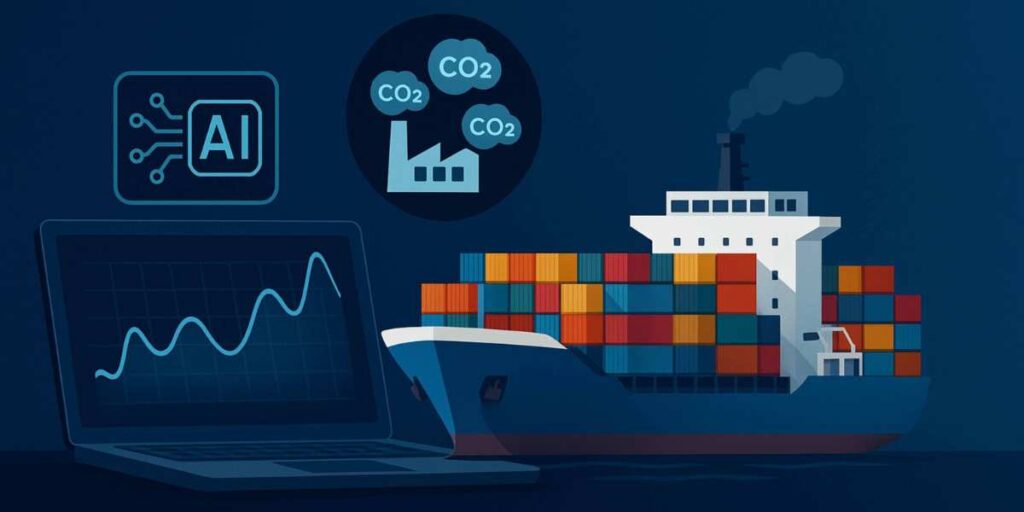
Shipping moves over 80% of global trade but contributes ~3% of greenhouse gas emissions. As sustainability becomes urgent, the industry turns to AI, metocean data, and weather intelligence to reduce CO2. From route optimization to eco-efficient vessel design, digital tools help meet stricter maritime regulations. This article explores how AI is driving the future of sustainable shipping.
Using AI for Smarter, Greener Shipping Operations
Major ports like the Port of Rotterdam and the Port of Singapore have implemented AI-powered systems to optimize vessel traffic. These initiatives have achieved efficiency gains of up to 20%. With these technologies, maritime companies can analyze vast streams of real-time data to enable smarter routing, predictive maintenance, and more sustainable practices worldwide. How are AI-powered innovations transforming sustainable maritime logistics?
The Role of AI in Optimizing Shipping Routes and Operations
Since around 2017, machine learning has been integrated into ships and vessels to improve route planning and operations. Machine learning is now a core tool for making marine transportation cleaner, faster, and more sustainable. These advanced technologies analyze huge volumes of marine data, including real-time weather (metocean) forecasts, port congestion, and fuel consumption. For example, a vessel can avoid crowded ports or storms, reducing delays and fuel costs. This optimization boosts overall efficiency and helps ships cut their carbon footprint. Since more shipping companies adopt AI technology, they gain better control over energy use and environmental impact.
Examples of Successful Implementation of AI
1. Maersk and AI-based Route Optimization
2. Sinay and AI-Driven Emission Tracking
3. Wärtsilä Voyage and AI-Driven Fleet Optimization
Impact of Digital Technologies on Carbon Emissions Reduction
Sustainable Ship Design and Technological Innovations
Shaping Design and Operations
Metocean parameters strongly influence how a wind farm is planned and built. Site selection is based on data about waves, currents, and wind, ensuring energy production is efficient and reliable. Foundation design is driven by seabed characteristics and wave forces to create stable structures. During installation, climatic windows are carefully considered to avoid delays. This process helps developers implement solutions that improve safety, lower costs, and maximize long-term efficiency.
Technological Advancements in Ship Design
Modern vessels are built to last for decades, often maintaining performance across long international routes. However, behind their efficient steel hulls lies a growing environmental concern. Today, ship design is being transformed by advanced technologies, climate challenges, and the global push for greater energy efficiency. Which innovations are shaping the future of greener, more efficient ships? Let’s find out!
New Hull Designs
Energy-Efficient Propulsion Systems
Alternative Fuels
Smart Materials
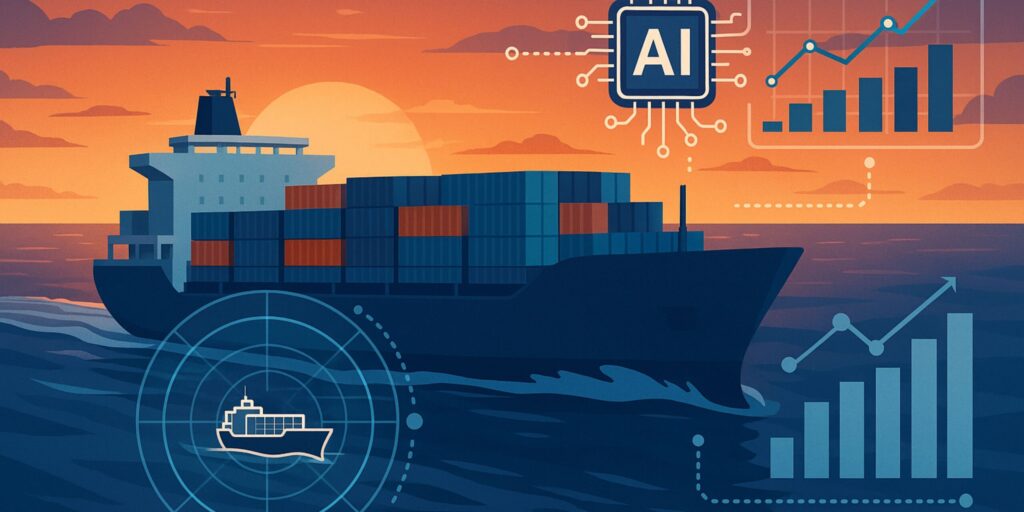
How is AI Currently Being Used in the Shipping Industry?
In fleet management, AI analyzes performance data to improve scheduling and maintenance across vessels. Safety monitoring uses machine learning to detect risks immediately, helping crews respond faster to emergencies. Emissions tracking tools gather fuel and engine data to measure CO₂ output and comply with environmental regulations.
Real-time weather routing combines metocean analytics and predictive models to guide ships safely and efficiently. A recent study highlighted that AI adoption in maritime companies increased by over 25% in just three years. This means that technology is reshaping global shipping practices while addressing environmental and safety challenges.
Main Challenges in Implementing Sustainable Shipping Practices
Do you know that implementing sustainable shipping practices comes with significant challenges? Regulatory complexity often creates confusion, as international laws differ between regions and ports. High upfront investment in new vessels, alternative fuels, and digital solutions can strain budgets, especially for smaller maritime companies. Integrating modern technologies with older ship infrastructure is another barrier, requiring time and specialized expertise.
Workforce readiness is also a concern, as crews need training to operate advanced tools effectively. Some companies are tackling these obstacles by forming partnerships that share costs and expertise. For example, NYK Line has partnered with ClassNK and shipyards to develop ammonia-fueled vessels and test digital tools for voyage optimization. Others invest in pilot programs that test innovative approaches before expanding them across their fleets, making the transition more manageable and practical.
The Future of Maritime Sustainability
The Role of Metocean Data in Decarbonization Strategies
The term metocean blends meteorology and oceanography, referring to the combined study of atmospheric and sea conditions. Metocean data includes wind, waves, currents, and temperatures that significantly influence vessel efficiency. When integrated with artificial intelligence, this data enables more accurate forecasting for route planning, engine output, and energy use.
AI models trained in high-resolution metocean inputs can predict optimal travel paths, avoid rough waters, and minimize fuel consumption. Continuous monitoring ensures that decisions adapt in real time to changing conditions, helping operators make smarter, data-backed choices. As global efforts toward decarbonization intensify, precise metocean analysis has become a critical asset for performance planning and long-term energy strategies at sea.
What Future Trends Will Shape Maritime Sustainability?
Experts forecast several trends that will shape sustainability in the maritime sector over the next decade. The increased use of AI and IoT technologies will make fleet management, maintenance, and route planning far more efficient.
Stricter emissions regulations are expected as international bodies push toward climate goals for 2030 and beyond. Green corridors, dedicated routes where low-emission vessels are prioritized, will become more common, encouraging cleaner trade networks.
A wider adoption of alternative fuels such as ammonia, methanol, and biofuels will also accelerate as companies seek to meet carbon targets. According to a report by the UK’s Lloyd’s Register, over 40% of operators plan to invest in alternative propulsion solutions by 2030, signaling strong momentum toward sustainable practices.
How Do Sinay’s Solutions Help Lower Emissions?
Our company offers Metocean Analytics and Open Ocean, advanced platforms that empower offshore project teams to plan with unmatched precision. We provide access to extensive hindcast data covering wind, waves, currents, temperature, and salinity across the globe.
Using our tools, users can define average conditions, extreme values, and validation dates to create tailored reports for any site. With Metocean Analytics, we help tender managers and marine professionals dramatically mitigate weather-related risks and minimize downtime through advanced analysis. Open Ocean, trusted for over a decade, is the next generation of metocean planning, combining collaborative tools and faster processing.
We are lucky to live on a blue planet where the oceans connect economies, communities, and industries. As maritime activity grows, so does the responsibility to protect these waters through smarter and cleaner practices. AI and metocean data are no longer future ideas; they are crucial tools reshaping how vessels move, plan, and perform. With stronger commitments, innovation, and global cooperation, the path toward low-carbon maritime activity is not just possible, it’s underway. The question is: how fast will we embrace this smarter, greener future at sea?
FAQ about environmental monitoring for offshore projects
They help ensure regulatory compliance, minimize environmental impact, and optimize operations by tracking key factors like water quality, emissions, and noise levels.
Advanced sensors, IoT devices, AI, and real-time data analysis are used to collect and process environmental data for better decision-making.
They detect pollution, habitat disturbances, and climate-related threats early, allowing proactive measures to prevent damage.
Sectors like oil & gas, wind energy, and aquaculture use these systems to maintain sustainability and improve efficiency.