
Why High-Frequency Metocean Data Matters
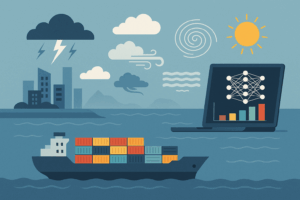
The term “Metocean” combines “meteorology” and “oceanography,” referring to the study of environmental conditions in offshore engineering and marine projects. Metocean data provides critical insights into factors such as:
Wind Speed & Direction
Wave Height & Frequency
Ocean Currents
Weather Events
Applications Across Offshore Energy Industries
Unlike traditional or low-frequency datasets, high-frequency data captures rapid environmental changes in real time, offering detailed insights across multiple offshore sectors.
Offshore Wind Energy
Oil & Gas Operations
Maritime Shipping
Key Advantages for Decision-Making
Improved Situational Awareness
Minimized Downtime & Risk
Optimized Asset Deployment
Case Studies Showcasing Successful Applications
According to the World Ocean Database, more ocean data is now transmitted in a single year than in the entire previous century—reflecting rapid advances in marine observation technology.
Norwegian Offshore Wind Sites
- Wind speeds and directional patterns
- Wave heights, periods, and energy distribution
- Water depths and seabed conditions
Dogger Bank Wind Farm
- Wave heights and directional spectra
- Wind speeds at multiple elevations
- Sea surface temperatures and tidal currents
Pitfalls and Challenges in Using Metocean Data
Data Misinterpretation Risks
Technical Limitations
Best Practices for Integration
Integrating metocean data into offshore wind or marine projects requires a strategic environmental system that draws on expertise from multiple disciplines.
Multidisciplinary Collaboration
Reliable Visualization and Data Management
Sinay Metocean Analytics for Offshore Success
Platform Capabilities
Global & Regional Datasets
Operation Simulation
Early-Stage Assessment
Risk Identification
Who Benefits From Our Platform
Harnessing the Power of Metocean Data
Its full potential can only be realized when paired with expert interpretation, reliable data management tools, and interdisciplinary collaboration. As offshore renewable energy continues its rapid growth, the strategic integration of high-frequency metocean data will be a key differentiator between successful projects and those that struggle with environmental challenges.
it’s the foundation of operational excellence and environmental stewardship.”
FAQ about environmental monitoring for offshore projects
They help ensure regulatory compliance, minimize environmental impact, and optimize operations by tracking key factors like water quality, emissions, and noise levels.
Advanced sensors, IoT devices, AI, and real-time data analysis are used to collect and process environmental data for better decision-making.
They detect pollution, habitat disturbances, and climate-related threats early, allowing proactive measures to prevent damage.
Sectors like oil & gas, wind energy, and aquaculture use these systems to maintain sustainability and improve efficiency.